
How to get the best patio pots this summer..
Planting up containers to place on your patio, front doorstep and indeed anywhere that needs a boost with a little colour is a quick, easy and relatively low cost way to bring summer to even the smallest and least green of gardens.
Before you start, however, you need to ask yourself two key questions:
- How much am I willing to spend?
- How much time am I going to dedicate to ongoing care?
The best containers for patio planting
Firstly, if you don’t already have a pile of containers waiting to be filled, you need to buy some. The types of container you buy will have an effect on the plants you choose – and of course your overall budget.
Terracotta/clay: take care when choosing to use terracotta pots, they look great but if they’re not glazed they aren’t sealed, so the water in the soil will evaporate through the pot, meaning more frequent watering is needed. You can’t keep them outside over winter, either, as they’re generally not frost proof. Glazed, frost-proof pots are a great option for long term patio planting plans, as you can tuck them away behind a shed or garage in the winter and refill them summer after summer, they aren’t cheap though, so if you are on a budget it might be a summer-by-summer purchase plan that will suit you, with more economical options in the meantime.
Plastic: lighter than terracotta pots and don’t dry out as quickly, plastic pots come in a wide range of colours, shapes and sizes. You can find pots designed to look like clay, terracotta, stone or metal if that’s the look you;re going for, too. They are easy to store too – no risk of frost damage, and easier to stack than terracotta as they won’t chip. They can degrade over the years, and of course aren’t earth-friendly.
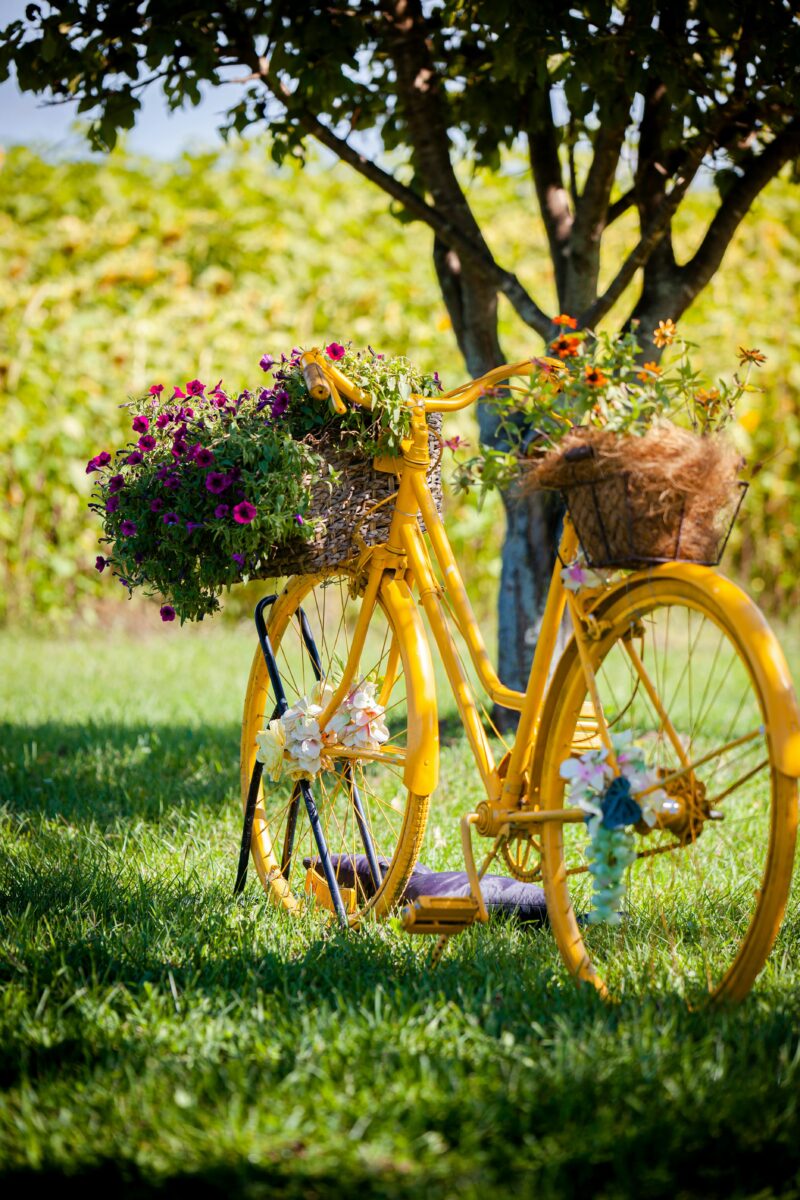
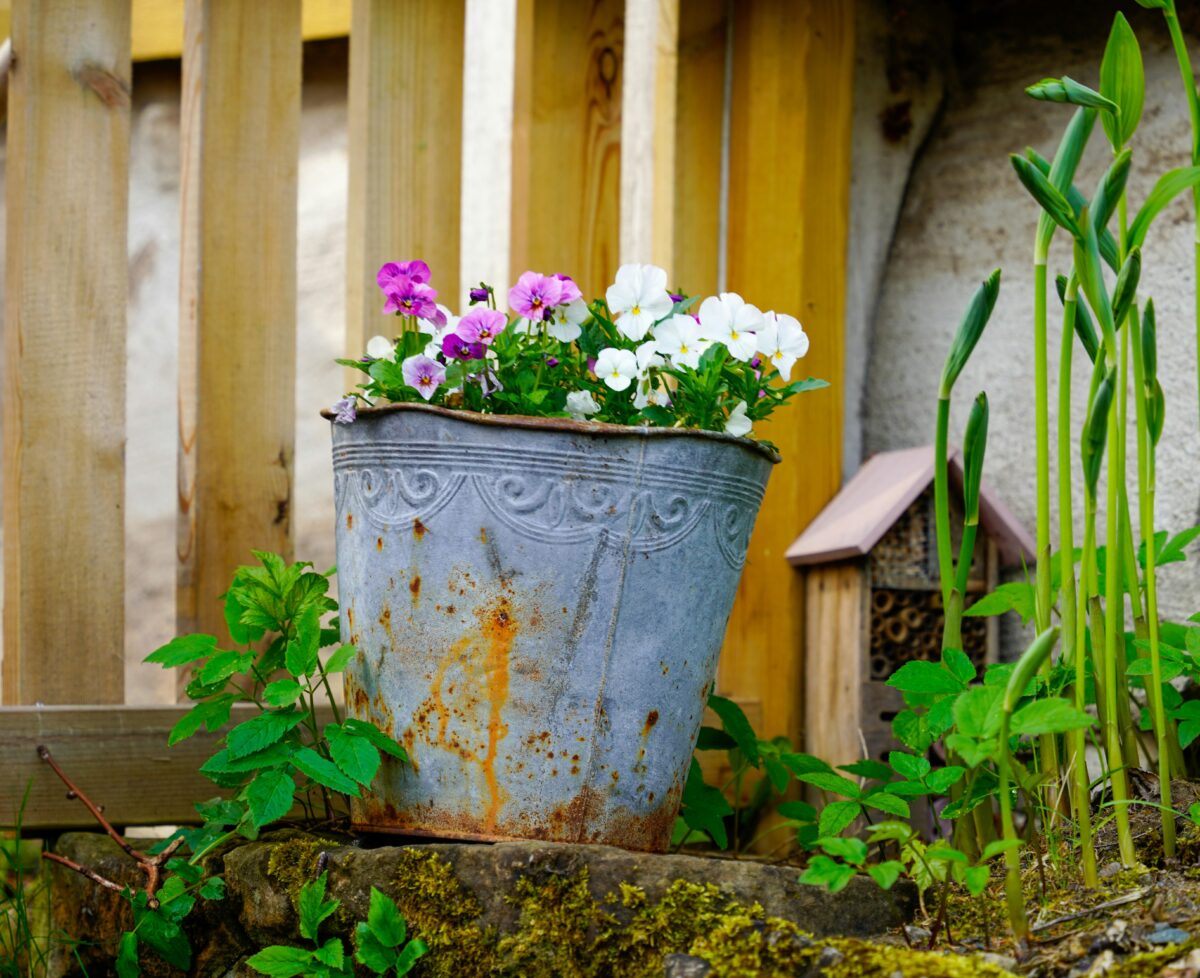
Recycled containers: pretty much anything can be upcycled to make an interesting plant pot, from old sinks and baths to those giant tins used in catering. Anything you plant flowers in that will sit outside must have drainage holes, or your plants will drown in the rain. Sinks and baths come with, of course, but with everything else drill a few holes into the base, then balance a flat stone over them to reduce the soil falling through when you first fill them.
Plant care
The first thing you need to be aware of is that plants in containers need more care than plants in borders. The soil dries out more quickly than in a border, so they will need watering any day it doesn’t rain, and during those occasional heat waves, twice a day.
Patio plants also need frequent deadheading and tidying up to keep them throwing out those colourful blooms you chose them for.
It’s easy to build in a bit of a routine to your day, however: visit each plant with your watering can and a bucket. Water into the soil (not on the plant) and pluck off any dead flower heads or leaves, dropping them in the bucket for your garden waste bin or compost heap.
You will also need to feed your plants weekly. Their roots will soon fill out and exhaust the soil, so a top up of nutrients from a regular feed of MiracleGro, or similar, will do wonders for continued growth all summer long.
The best plants for patio containers
There are so many colourful plants to choose from we could write a list a mile long. The best thing to do is go along to your local garden centre or major DIY store and see what they have available the day you want to do your planting – ideally now! Go mad with all the colours, or choose a limited palette – purple, lilac and white, or red, yellow and orange, for example.
You can’t choose your plants until you know what containers you are using, of course, so make a note of how many you will need for each of your containers, and then buy to that.
Patio pots should be planted up from the first weekend in May (or earlier if you’re confident there’s no more frost due) and in the gentle warmth of spring will start to push down roots and put out flowers very quickly.
Don’t overfill your pots – choose a centre plant and then set a few around the outside. They will fill out quite quickly and if you cram too many in it will soon be constricted and produce fewer flowers.
Plant according to height and spread – choose a plant that grows vertically for the centre, then surround it with plants that happily trail, such as trailing lobelia surrounding a petunia.
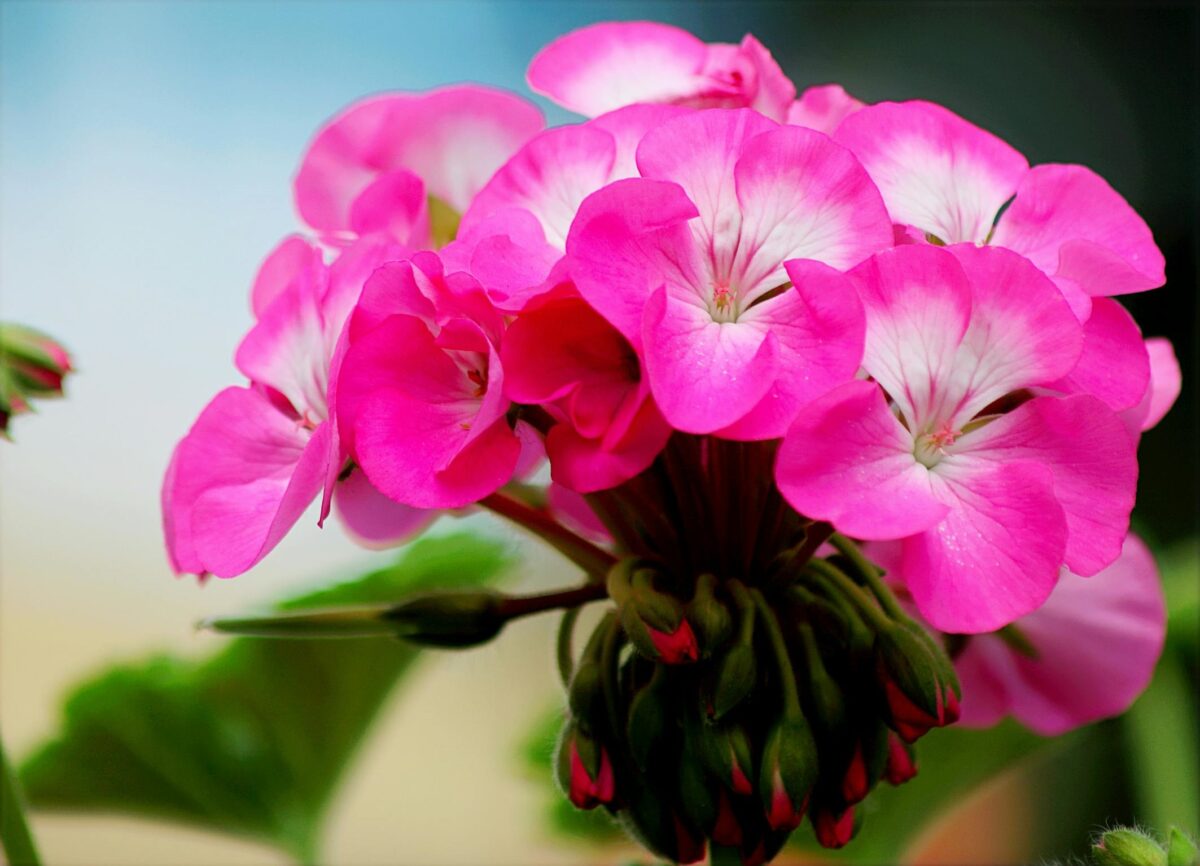
The easiest to care for (they won’t mind if you go away for a couple of nights and don’t water them, even when it’s hot) are pelargoniums (geraniums). In shades from pristine white to crimson red, they keep on flowering all summer if you keep deadheading (when the blooms are spent, just remove from the bottom of the stalk, against the main stem) and if you have a porch or a garage, you can soak the pots in early autumn, then put them away till next April and they’re fine with that, too.
Eddie – Friday 02.05.2025.