
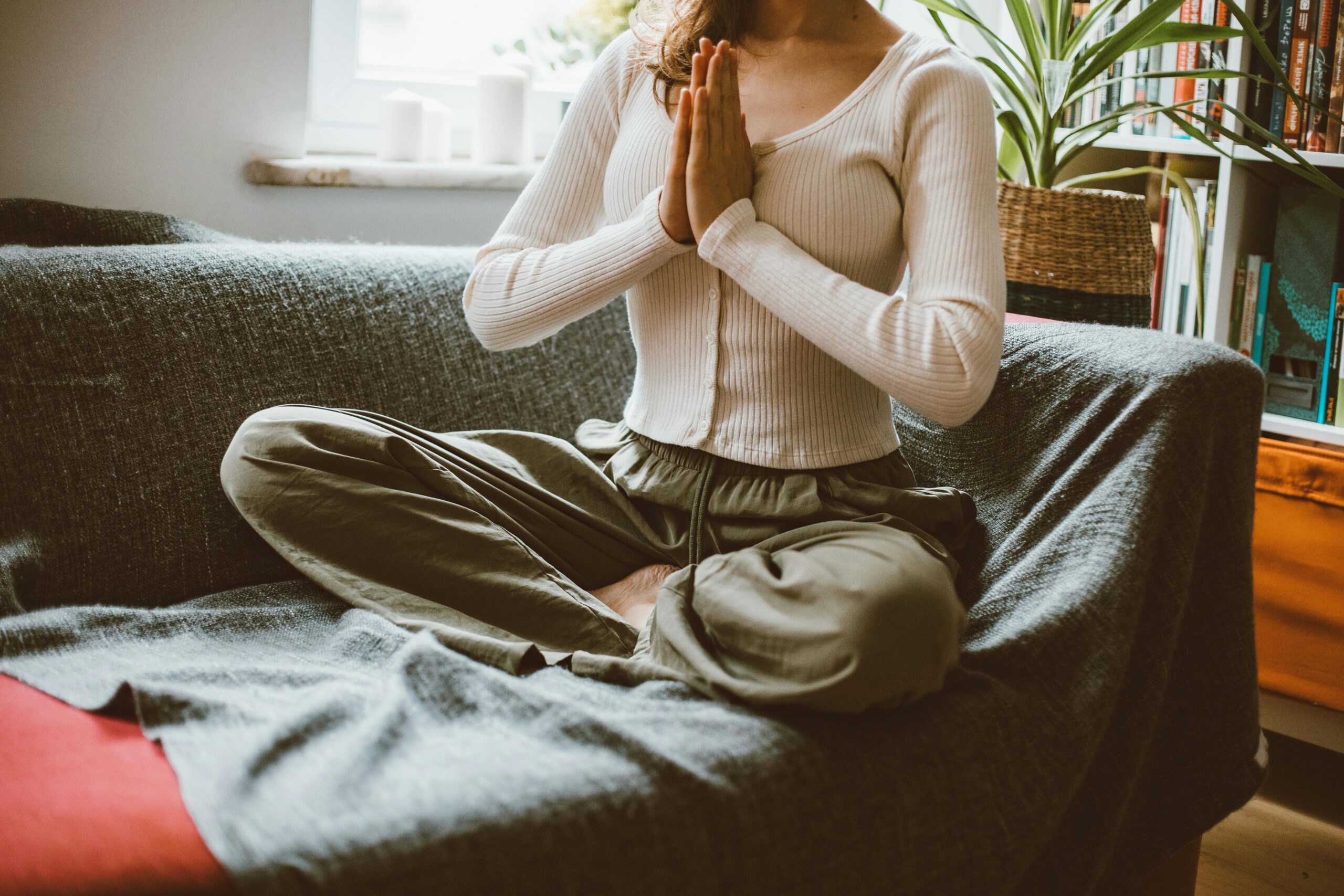
What is wellness? How to set wellness resolutions you can actually keep in 2026..
Wellness is one of those words we hear everywhere at the start of a new year, but it can feel frustratingly vague. I looked it up and here’s what the Oxford Dictionary of Sports Science and Medicine says: “A condition obtained when a person achieves a level of health that minimises the chances of becoming ill. Wellness is achieved by a combination of emotional, environmental, mental, physical, social, and spiritual health.”
This is interesting, as it’s not solely about physical health, it’s a holistic term that covers every aspect of our lives that can affect the way we operate, physically, emotionally and mentally. To summarise – wellness is about supporting your body and mental health, so how do we make ‘wellness’ an achievable resolution for 2026?
As with all new year goal setting, the most effective wellness resolutions are not the most ambitious ones, but the ones that genuinely fit your life.
Why do wellness resolutions fail?
One reason many wellness resolutions fail is that they are either too vague or too extreme. Promising yourself that you will “be healthier” or “prioritise self-care” sounds positive, but without clarity it is hard to know what success even looks like. On the other hand, overly rigid goals – like cutting out entire food groups or committing to daily workouts when you already feel exhausted – can lead to burnout. Wellness thrives in the middle ground: clear intentions paired with flexibility.
A useful way to set wellness resolutions you can keep is to focus on specific, realistic habits rather than dramatic transformations. Yep – it’s those classic SMART goals again!
Instead of saying “I’ll reduce stress,” first look at what is triggering that stress, then research easy to accomplish actions that help relieve stress in the moment. If you find your stress levels are wrapped around your work, for example, plan a daily 10-15 minute walk outside during your lunch break. This will help reduce cortisol levels (the stress hormone) and supply a burst of endorphins and serotonin, which are neurotransmitters that act as natural mood lifters. At the same time, look at your work and see what changes might be made that reduce stress – so often we put pressures on ourselves that our bosses or colleagues aren’t applying.
It is also important to consider what has not worked for you in the past. If previous resolutions felt like chores or sources of guilt, that is a sign they were not aligned with your personality or circumstances. Wellness is deeply personal. Some people feel recharged by early mornings and structured routines, while others thrive with flexibility and slower starts. Setting resolutions that reflect how you actually live—not how you think you should live—makes them far easier to maintain.
Move away from the all-or-nothing mindset
Wellness is not something you are either “good at” or “bad at.” Missing a workout, ordering takeaway, or missing one or two lunchtime walks does not undo your progress. In fact, learning how to return to your habits after a disruption is one of the most valuable wellness skills you can develop. Resolutions that allow for imperfect days are the ones that last.
What do wellness goals look like?
As you think about wellness goals for 2026, it can help to ask yourself a different set of questions. Instead of “What should I change?” ask, “What would make my days feel slightly better?” That might mean improving sleep, creating more boundaries around work, drinking more water, or making time for hobbies that bring you joy.
Wellness is not just about adding healthy habits, it is also about removing what drains you. Wellness is about making small, manageable changes that, incrementally, make life better by reducing stress and improving your happiness score.
How about these for ideas?
- Try something new
- Learn something new
- Say no
- Say yes
- Do a kindness
Trying something new can boost your mental health because it not only gives your brain a workout, but boosts your confidence when you realise you can put yourself out there a bit and nothing awful happens. Join a walking club, learn to meditate, take a cookery course – anything that takes you beyond the ‘safe’ will make you feel great. Learning something new has the same effect – what about doing an online course, or finding something at your local college? Learn a language, or brush up on your GCSE French!
Saying no has immense power, it puts you in control of how your day or your week will look. If you’re asked to go somewhere or do something you simply can’t manage, rather than capitulating and then moaning about it (which doesn’t help with cortisol levels!) learn to say, “I’d like to, but…” Saying yes is equally powerful – there are occasions when somebody suggests an outing maybe – theatre, cinema, after work drinks – and your instinct is to decline, because evenings are your time to slump in front of the telly and decompress, but saying yes occasionally will bring many benefits, social and mental.
Be kind. Acts of kindness, no matter how small, are proven to boost your sense of wellbeing, not just make the person on the receiving end feel good. It’s the most perfect two-way street to contentment you can imagine.
Remember – wellness is for life…
Finally, remember that wellness is not a destination you reach by the end of the year. It is an ongoing practice that evolves as your life changes. A resolution that works for you in January may need adjusting by June, and that is not failure – it is awareness. The most successful wellness resolutions are flexible, compassionate, and rooted in self-knowledge.
In 2026, true wellness is not about doing more or trying harder. It is about choosing habits that support your wellbeing, setting goals that feel achievable, and giving yourself permission to grow at your own pace. When your resolutions are built around how you want to feel – not just how you want to perform – they become something you can actually keep.
Eddie – Friday 23rd January 2026.