
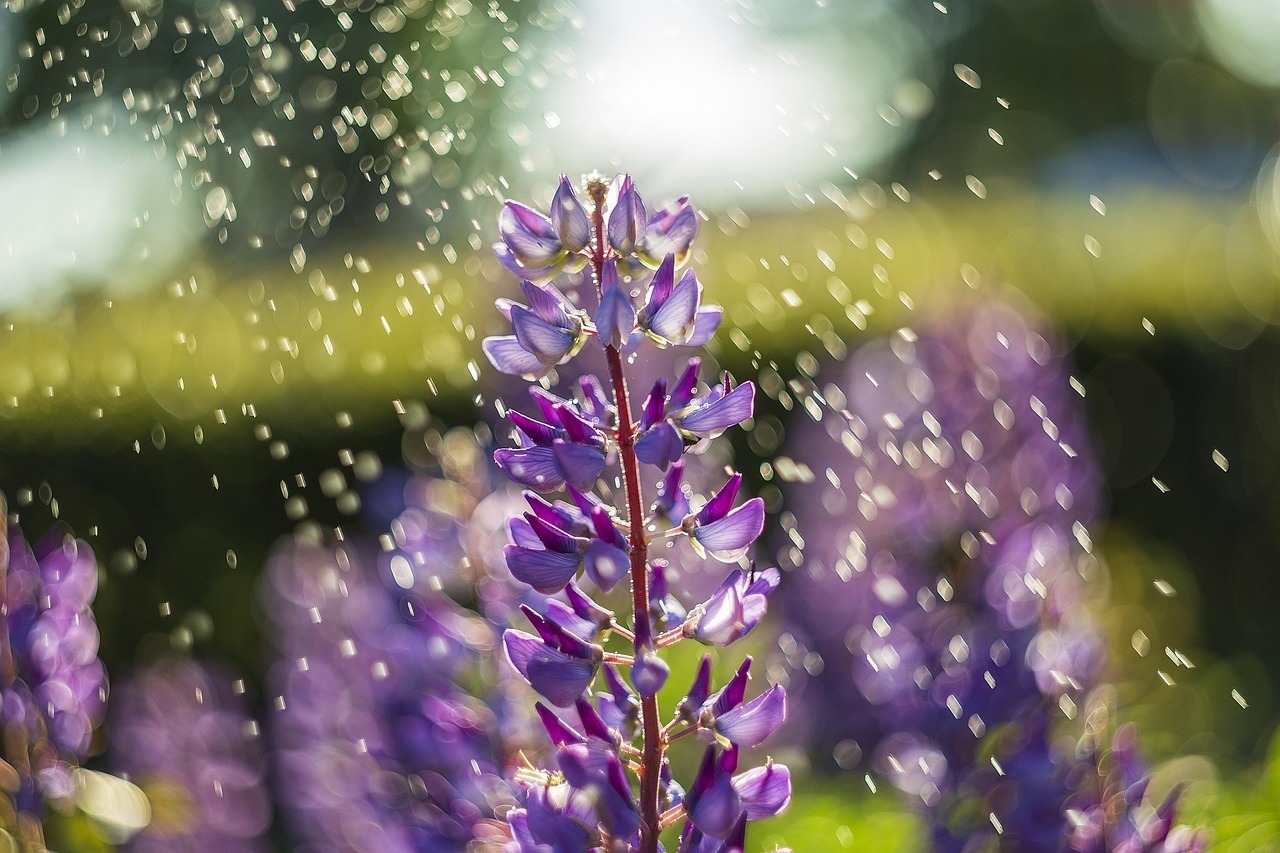
How to avoid Slugageddon 2026..
Slugageddon 2026 is coming for our gardens, but a few smart steps now will keep your borders and veg beds far safer as the weather warms after such a soaking start to the year.
What is ‘Slugageddon?’
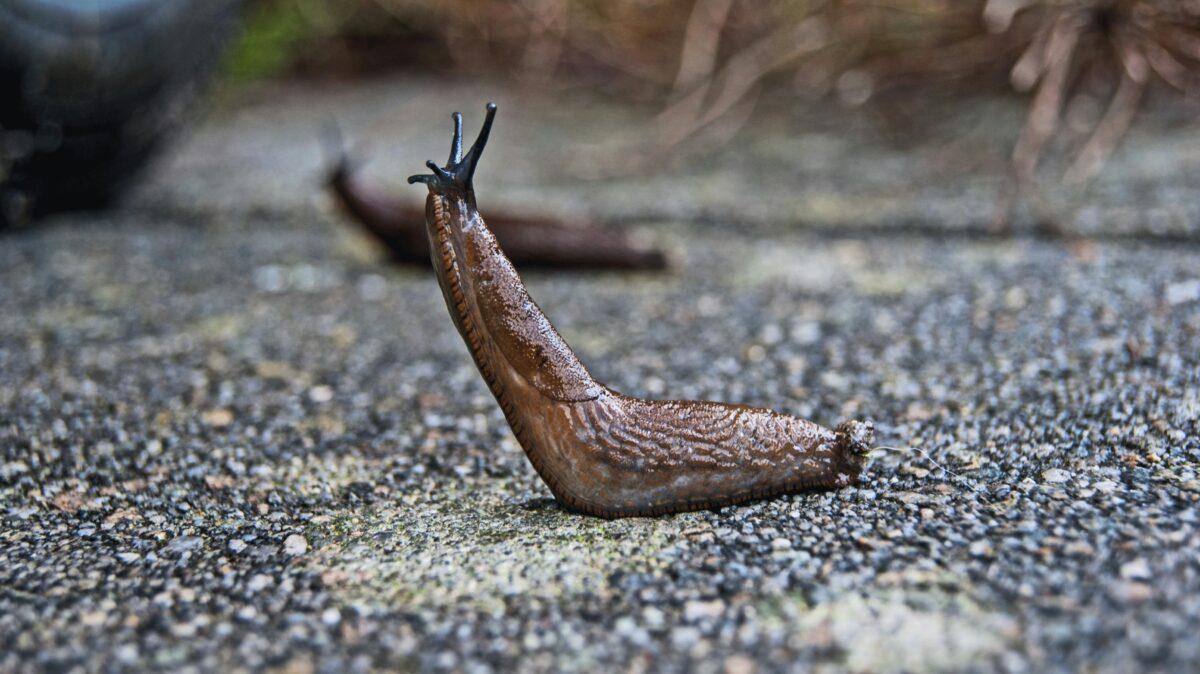
Slugageddon is a totally made up word used by the UK media for a year when ideal warm, wet conditions trigger a boom in slugs, which means a serious uptick in slug-munched plants and seedlings. It may be made up and jokey, but the reality of what happens in a Slugageddon year is not funny at all.
Why 2026 is a Slugageddon year
After a mild, extremely wet winter, slug mortality is lower and there is plenty of wet, decaying plant material for them to feed on, which can fuel a population boom as temperatures rise. Flooding may have killed some eggs, but it has also reduced numbers of natural predators like beetle larvae that usually keep slugs in check. In other words, conditions are perfect for a spring surge in slug activity across UK gardens. Shudder.
I am really not a fan of slugs. I am a big fan of native wildlife, but slugs just creep me out. Not to mention the mess they make of some of my favourite plants. Here are some top tips on how to pre-empt the slug strike on your garden this year.
Tidy and mulch
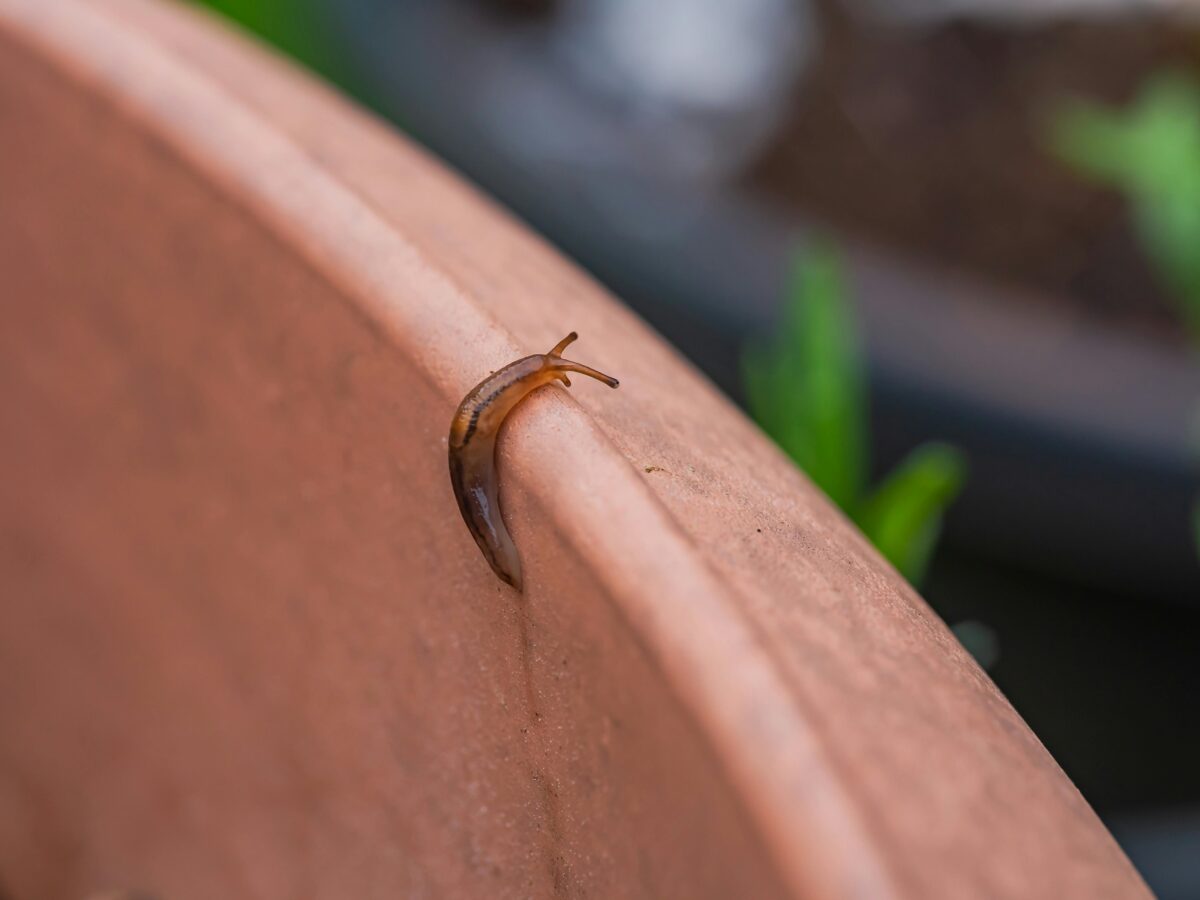
Start with simple changes that make your plot less of a slug paradise. Clear dense piles of dead leaves and debris around veg beds and ornamental borders so there are fewer dark, damp hiding spots right beside your favourite plants. To encourage the minibeasts we do like, allow patches of leaf and debris to build up under hedges or in areas where you don’t have slug-tempting plants.
Around vulnerable plants, use rough mulches such as bark, wool pellets or sharp grit, which slugs dislike crawling over.
Work with our Manchester wet weather, not against it
In our rainy city, cultural tweaks make a big difference. Water in the early morning so surfaces dry before slugs emerge at night, and avoid overwatering established perennials on already damp soils. Lift pots onto feet, thin very dense plantings and clear thick leaf piles right next to beds so there are fewer cool, soggy hiding places. If you garden on clay, raise veg beds slightly and add organic matter to improve drainage, which makes conditions less enticing.
Choose slug resistant (but still pretty) plants
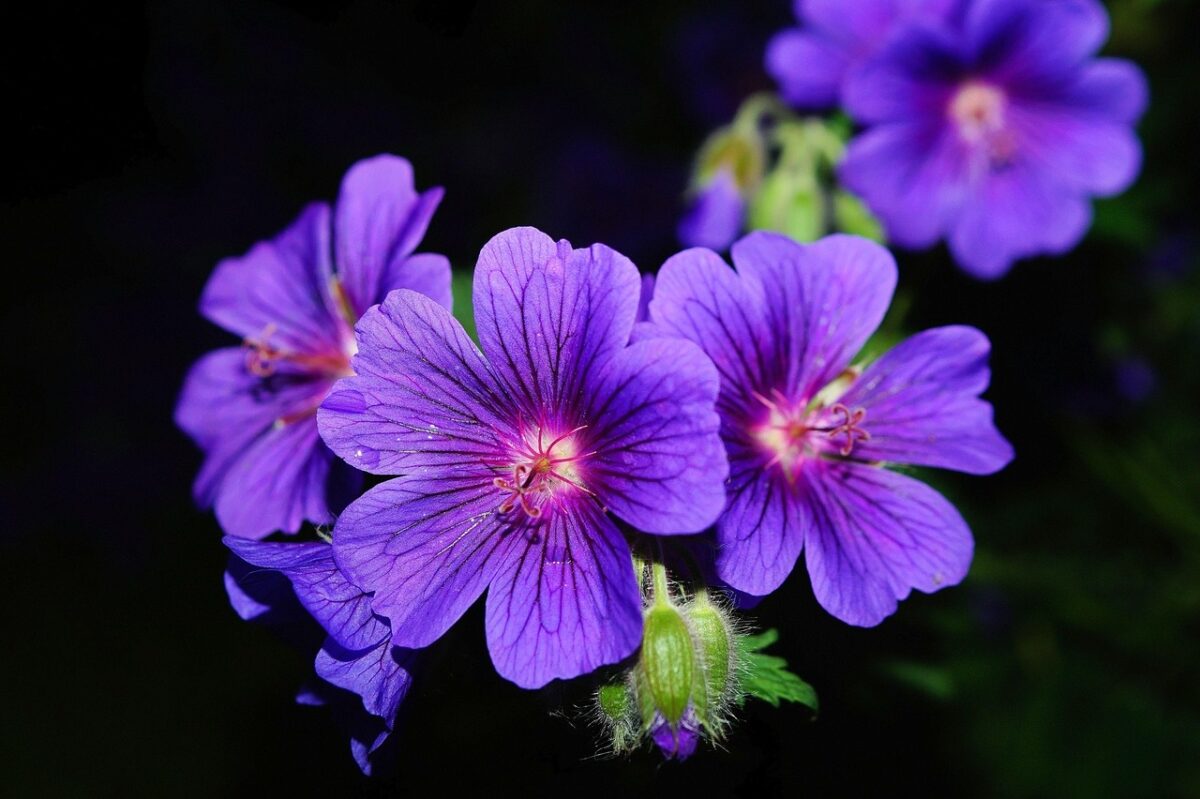
You do not have to sacrifice a pretty summer garden to dodge Slugageddon. Mix your hostas and delphiniums(slug favourites) with more resilient choices such as hardy geraniums, alchemilla, astrantia, heuchera and aquilegia, which slugs generally avoid even in a wet summer. For structure, climbing hydrangea, roses, salvias and lavender bring height, perfume and pollinators without being shredded overnight. In shadier corners, ferns, hellebores and Japanese anemones cope well with moisture yet are usually left alone.
Protect your favourites
For the plants we love but slugs adore, like lupins, delphiniums, pansies and veg seedlings, think early protection. Start them in pots near the house, then plant out with sharp grit, bark or wool pellets around each crown to create a rough barrier. Copper tape on pots, home‑made cloches from plastic bottles and petroleum jelly smeared around containers give young growth a crucial head start.
Use traps and night patrols
Targeted trapping helps reduce numbers without resorting to pellets. Beer traps, or jars sunk so the rim is level with the soil and half filled with beer or yeast solution, attract slugs which then drown and should be emptied regularly. (If you’re up to it – I admit we tried this one year and the resulting slug-filled liquid turned my stomach).
Scooped out orange or grapefruit skins, placed cut side down, also work as simple shelters you can check and clear each morning. I pay my daughter and her friends by the slug (or snail). They use a spoon to scoop them into a bucket half filled with salty water and can make quite a decent amount of pocket money over a weekend. Get them working early, I say…
On damp evenings, a quick torchlit patrol to collect slugs from hostas, lupins and veg beds, can save a surprising number of seedlings overnight.
Now, slugs and snails actually have a sort of homing instinct, so you can’t just relocate them to the compost heap and forget about them, and they can climb straight out of the garden waste bin – so what to do? I tip them down the drain outside the front of my house.
Encourage natural predators
For a longer term answer to Slugageddon, create a garden that supports more slug eating wildlife. Birds such as blackbirds and thrushes, amphibians like frogs and toads and hedgehogs all help keep slug numbers in balance. Adding a small pond, leaving some wilder corners and providing nesting boxes for birds will gradually increase these allies in your garden. Many slugs actually feed on decaying matter rather than live plants, so a healthy, wildlife rich garden can tolerate a background slug population without everything being shredded.
Consider nematodes for hotspots
I am very anti-chemical in my garden, but luckily while chemical warfare is off the table, biological warfare is not. Where slug damage is severe, especially around precious hostas or delphiniums, and in veg beds, nematodes can be very effective. These microscopic worms are watered into the soil, seek out slugs and infect them with bacteria that cause a fatal disease, while leaving other wildlife unharmed. They work best in moist soil once temperatures have warmed, and should be used sparingly and in targeted areas because they affect all slug species, including those that mostly eat decaying matter.
So there you go: by combining drier surface conditions, tougher planting choices, slug barriers, trapping, hunting, predators and, where needed, nematodes, you can stay one step ahead of Slugageddon 2026 and enjoy lush, beautiful borders this summer.
Eddie – Friday 13th March 2026.