
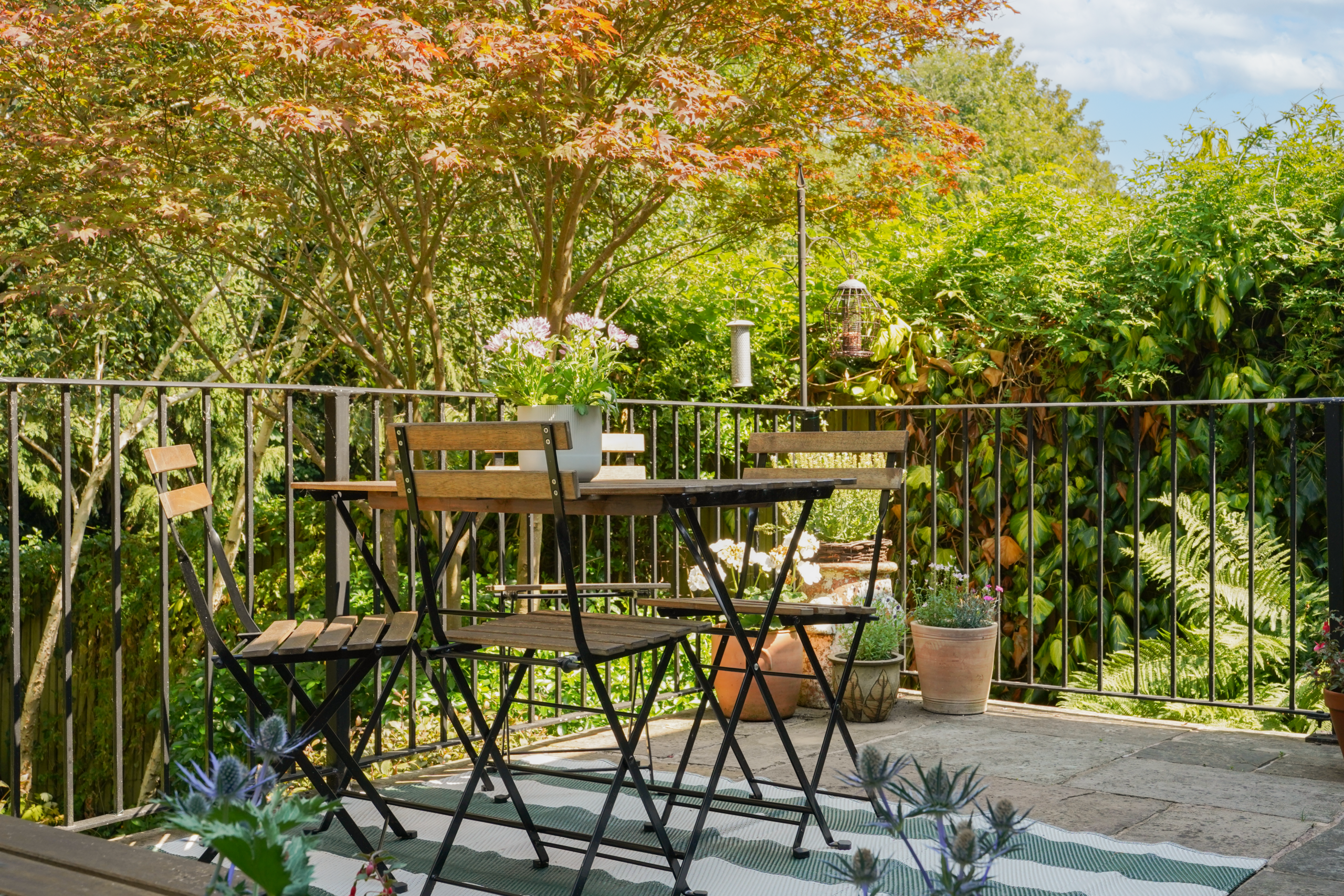
The best pollinator-friendly perennials for UK gardens..
Creating a pollinator-friendly garden in the north-west of England is one of the simplest and most rewarding ways to support local wildlife while enjoying a beautiful, low-maintenance outdoor space. Choosing the right pollinator-friendly perennials means you’ll provide nectar for bees, butterflies and other beneficial insects from spring through to autumn, with plants that return year after year.
Last night, I was relaxing in my garden when I noticed just how soothing the gentle hum of bees drifting between the lavender beside my patio had become. Watching them bob from flower to flower gathering nectar for their hive turned into an unexpected moment of mindfulness. It made me realise I wanted even more of these visitors in my garden, not only to help local wildlife but also because sharing my space with them brings a real sense of calm. That feels like a win-win.
This spring I planted plenty of annuals, only to find myself almost doubling my water use trying to keep them alive through weeks of relentless sunshine. Next year, I’ll be filling my borders with hardy perennials instead, saving annuals for a few carefully chosen patio pots by the front and back doors. They are better suited to our changing climate, need less work once established and, most importantly, many are brilliant for pollinators.
By choosing perennials that flower across the seasons, you’ll provide nectar from early spring to late autumn while keeping your garden colourful year after year. Here are some of the best pollinator-friendly perennials for gardens across Manchester and the wider north-west.
Lavender
A classic choice for pollinators, lavender is beloved by bees and butterflies alike. Its fragrant purple spikes bloom throughout summer and are especially attractive to bumblebees. Around Manchester, opt for hardy varieties such as Lavandula angustifolia, which copes well with cooler, wetter conditions. Plant in well-drained soil and a sunny spot for best results.
Echinacea
Also known as coneflower, echinacea brings bold colour and structure to borders. Its large, daisy-like flowers are rich in nectar and draw in bees and butterflies throughout summer.
Verbena bonariensis
Tall, airy and elegant, Verbena bonariensis is a magnet for pollinators. Its masses of tiny, open flowers provide easy access to nectar and are visited by bees, butterflies and hoverflies throughout summer and into autumn. It thrives in sunny, sheltered spots and can self-seed gently, creating a naturalistic planting scheme. I love this one and plan to place them behind the lavender, for a double purple hit.
Hardy geranium (cranesbill)
Hardy geraniums, or cranesbill geraniums, are a staple in UK gardens and excellent for pollinators. Varieties such as Rozanne offer long flowering periods from late spring into autumn. Their open blooms are easily accessible to bees, butterflies and hoverflies, making them a reliable source of nectar throughout the season.
Sedum (Hylotelephium)
Sedum is a bit of a late-season hero, flowering from late summer into autumn, when pollinators still need food. The flat flower heads are a favourite of hoverflies as well as bees and butterflies. Sedum Autumn Joy is a well-known variety that performs well in the north-west climate.
Foxgloves
Kick off your pollinator summer with foxgloves, they bring height and drama, along with vital early summer nectar. Their tubular flowers are perfectly suited to bumblebees, which can easily access the nectar deep inside. Digitalis purpurea is native to the UK and thrives in partial shade, making it ideal for woodland-style gardens. It’s highly poisonous, however, so if you have small children avoid it until you can explain about not grabbing! They scatter seeds everywhere, so they spread fast, too.
Alliums
These architectural blooms are not only striking but also highly attractive to pollinators. Flowering in late spring to early summer, alliums provide an important bridge between spring and summer nectar sources. Bees in particular are drawn to their globe-shaped flowers.
Nepeta (also known as catmint)
Nepeta is a fantastic low-maintenance perennial with soft, lavender-blue flowers that bloom for months. It is highly attractive to bees and can be cut back after flowering to encourage a second flush. It works well along borders or pathways, softening edges while supporting wildlife. Beware – if you have a cat, it may take up residence on top of new plants, so keep an eye until it’s well established!
Buddleja
Often called the butterfly bush, buddleja is one of the most effective plants for attracting butterflies. Its long, fragrant flower spikes bloom throughout summer. Choose compact varieties for smaller gardens and prune annually to keep plants healthy and manageable.
Many of these perennials will also attract hoverflies, one of the garden’s most overlooked pollinators. As well as feeding on nectar and pollen, hoverfly larvae help control aphids naturally, making them valuable allies for both wildlife and gardeners. Another win-win!
By incorporating a thoughtful mix of pollinator-friendly perennials, we can create vibrant, wildlife-rich spaces that look beautiful while playing a crucial role in supporting biodiversity.
What is the best perennial for bees?
Lavender is one of the UK’s most reliable plants for attracting honeybees and bumblebees. Verbena bonariensis, nepeta, echinacea and sedum are also excellent choices for supporting bee populations.
What plants attract butterflies?
Buddleja is well known for attracting butterflies, while Verbena bonariensis, echinacea, sedum and lavender also provide valuable nectar throughout the summer.
Do these plants attract hoverflies?
Yes. Verbena bonariensis, sedum, hardy geraniums, lavender, nepeta and echinacea are all popular with hoverflies. Hoverfly larvae also feed on aphids, making them a natural form of pest control in the garden.
Why choose perennials instead of annuals?
Perennials return every year, require less replanting, often need less watering once established and provide reliable food sources for pollinators over many seasons.
The best pollinator-friendly perennials for gardens in Manchester and across the north-west include lavender, Verbena bonariensis, echinacea, hardy geraniums, sedum, nepeta, foxgloves, alliums and buddleja. These long-lasting plants provide nectar for bees, butterflies, hoverflies and moths from spring through to autumn while creating a colourful, low-maintenance garden that supports local biodiversity. Planting a mix of perennials with different flowering times helps pollinators throughout the growing season and reduces the need for frequent replanting and watering.
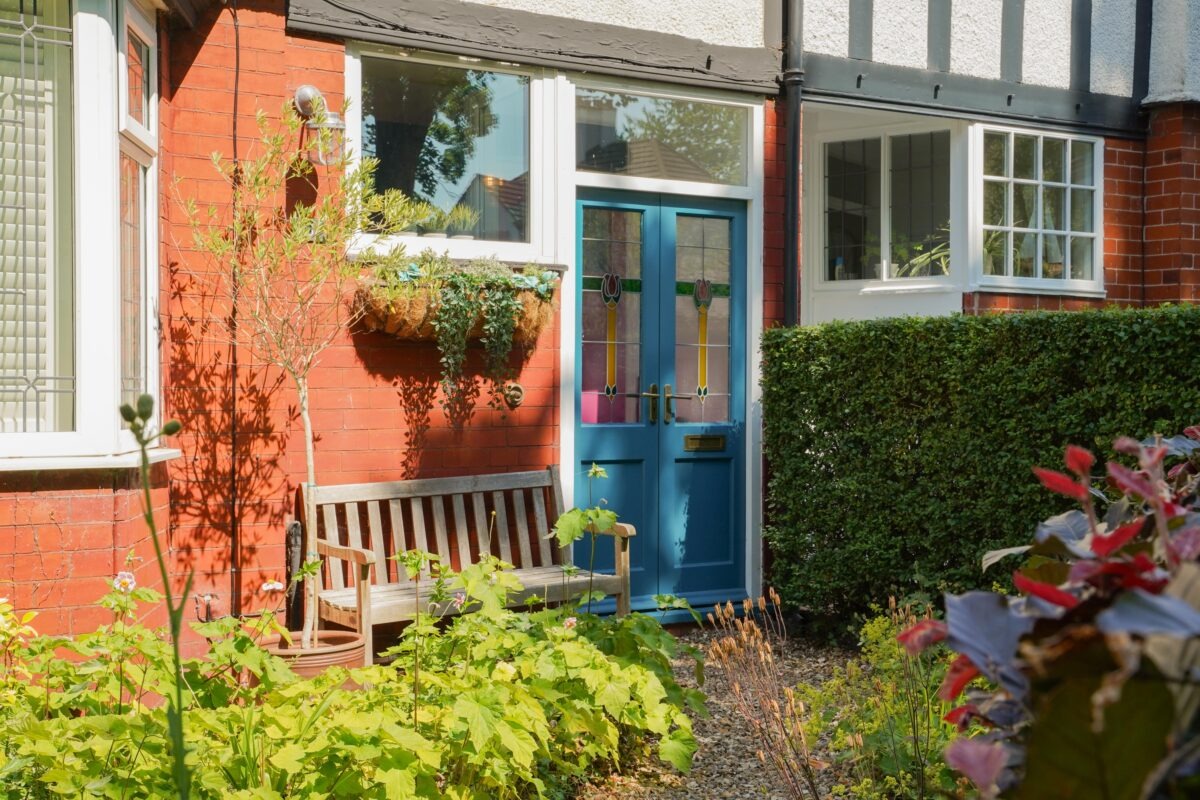
Eddie – Friday 17th July 2026. (Images used from South Drive, Chorltonville).