
The best indoor plants for your home this autumn..
Discover the best indoor plants for autumn, from easy-care houseplants to varieties for darker rooms, kitchens and bathrooms, plus simple winter care tips.
As the days get shorter and we spend more time indoors, a few well-chosen houseplants can bring colour, texture and life into our homes. The best indoor plants for autumn don’t have to be difficult to look after, either. From easy-care greenery for busy households to plants that thrive in kitchens, bathrooms and darker corners, there are plenty of ways to bring the outside in and make your home feel more welcoming this season.
From the perspective of an estate agent promoting homes for sale, I can assure you that well-cared for plants really help a home feel warm and welcoming, which absolutely helps both with first impressions in photography and when viewers come to see your home.
Houseplants are a simple way to make your home feel more welcoming
One of the best things about houseplants is how easily they can soften a room. A leafy plant beside an armchair, a pot of herbs on the kitchen windowsill or a taller plant in an empty corner can make a space feel more inviting without the need for a major makeover.
This can be particularly useful if you’re thinking about or already selling your home. When prospective buyers first see your property in photographs, small details help create an impression of a home that feels bright, cared for and welcoming. A well-placed plant can add a touch of colour, soften the lines of a room and help a space feel lived in without looking cluttered.
Houseplants can also have a psychological effect. Research shows that indoor greenery lowers stress hormones like cortisol and promotes a more relaxed mood.
Keep it simple, though. Choose healthy plants, tidy away dead leaves and avoid overcrowding rooms, shelves or windowsills. The aim is to complement the room and show off its space, rather than distract from it or overwhelm visitors.
Five top tips for adding houseplants to your home
1. Use plants to add colour and character to a room
Houseplants aren’t just about greenery. Their shapes, textures and shades can help bring a room together, particularly when autumn’s outdoor colours start to fade.
A plant with large, sculptural leaves, such as a Swiss cheese plant (monstera) can create a focal point in a living room, while a trailing variety can soften the straight lines of shelves and furniture. A small collection of plants in different heights can make an empty corner feel more considered without adding lots of furniture or accessories.
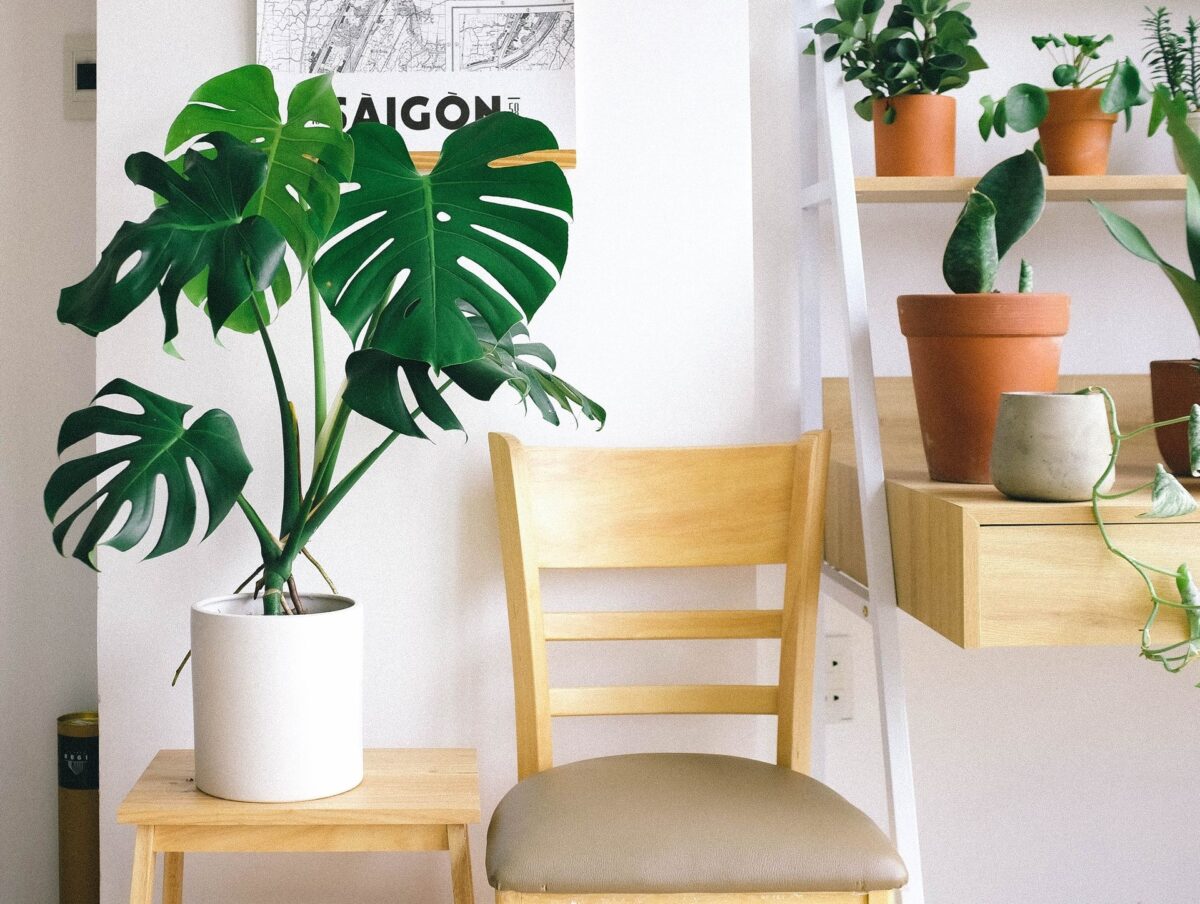
And don’t overlook the pots. Terracotta, warm neutrals, textured ceramics and natural woven baskets can complement autumn interiors beautifully. Try grouping a few pots together on a sideboard or windowsill, or use a single larger plant to balance an empty space beside a sofa.
You don’t need to fill every available surface, either. A handful of well-placed plants will add more style than dozens of little pots scattered around the room.
2. Easy-care houseplants for busy households
If you love the idea of adding some indoor greenery but aren’t confident about keeping plants alive, start with varieties that are relatively forgiving.
Some good options include:
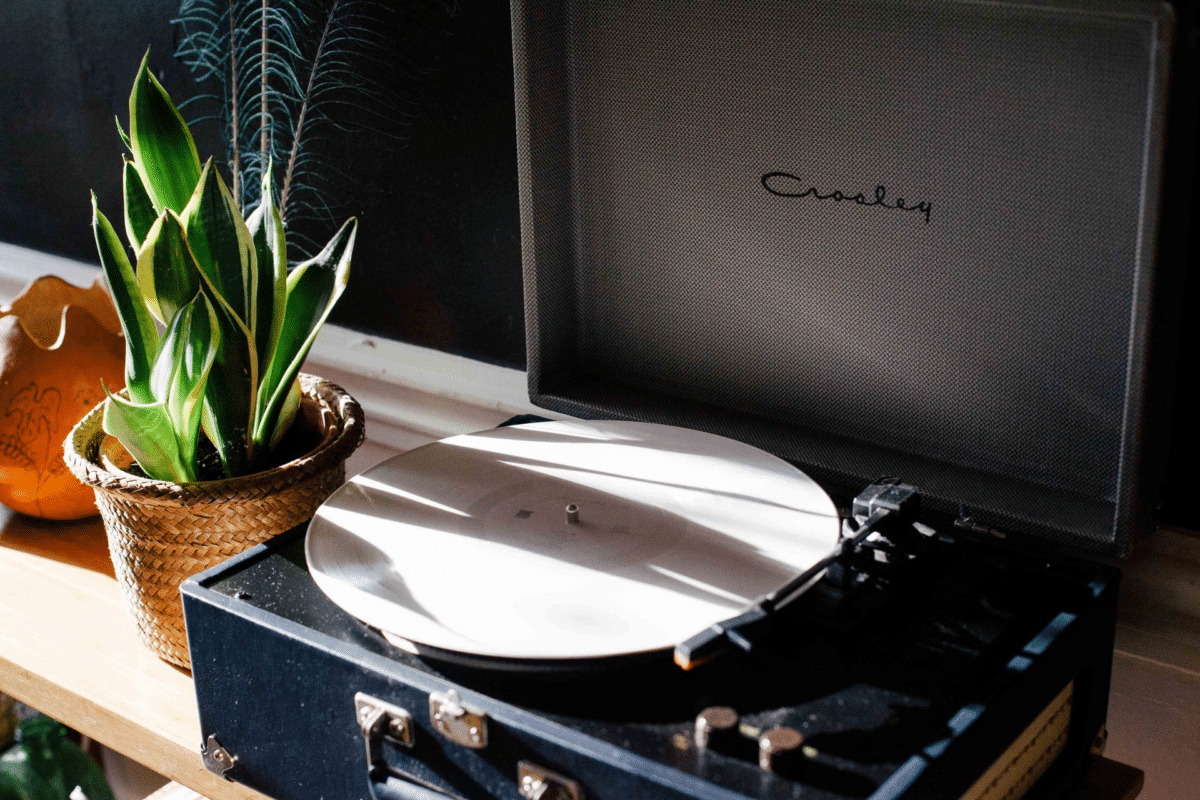
Snake plant: With its upright, architectural leaves, a snake plant looks smart in a living room, hallway or bedroom. It tolerates lower light levels and prefers its compost to dry out between waterings.
ZZ plant: Glossy, dark green leaves and an upright shape make this a good choice for adding a little greenery to an otherwise plain corner. It tolerates lower light and doesn’t need frequent watering.
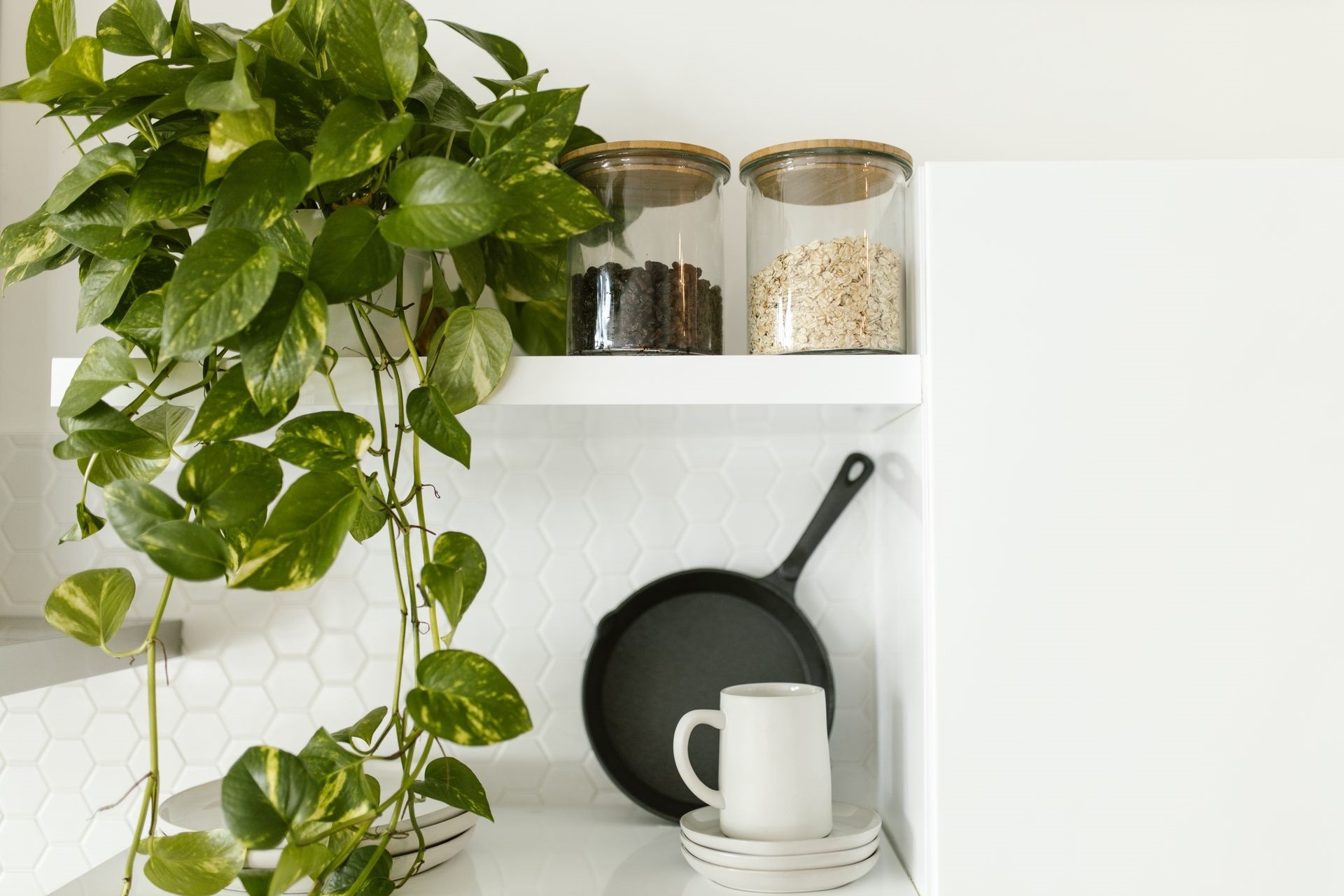
Pothos: Also known as devil’s ivy, this trailing plant looks lovely on a bookshelf or in a hanging pot, with its leafy stems cascading over the edge. Allow the compost to dry a little between waterings.
Spider plant: An easy-going favourite with arching green and white leaves. It works well on a shelf, sideboard or windowsill and can produce little plantlets that are easy to propagate or just snip out from the base.
The golden rule with houseplants is not to overwater them. During autumn and winter, plants generally grow more slowly and use less water, so check the compost before reaching for the watering can.
3. The best plants for darker rooms
Not every room in a home is flooded with natural light, particularly during the autumn and winter months. North-facing rooms, hallways and spaces with small windows can still benefit from greenery, provided you choose your plants carefully.
The aspidistra is a particularly tough option, with broad, dark green leaves that suit both traditional and contemporary interiors. The ZZ plant and snake plant are also worth considering for spaces that don’t receive strong sunlight.
A word of caution, though: low light doesn’t mean no light. All plants need some light to survive, so a completely windowless room isn’t suitable for most houseplants without a grow light. If your favourite corner is especially gloomy, consider rotating plants between rooms so they get the light they need.
4. Plants for kitchens and bathrooms
Kitchens and bathrooms can be lovely places to introduce a little greenery, adding a softer, more natural touch to rooms that often feature hard surfaces, tiles and cabinetry.
In the kitchen, herbs such as basil, mint and parsley are practical choices if you have a bright windowsill. They’ll add a splash of green and provide fresh leaves for cooking.
In the bathroom, a bird’s nest fern can enjoy the extra humidity, provided the room receives enough indirect light. Pothos can also do well in a naturally humid bathroom, while a spider plant is a good option for a bright windowsill. Orchids also love a room with a little extra humidity, such as a kitchen or bathroom, and add a fabulous splash of colour when in bloom. They’re easy to care for too, simply spritz with water regularly (don’t water directly into the pot) and after flowering cut the stems back to the base, and a new stem will magically appear in a few months time.
Do bear in mind that not every bathroom is suitable for plants. If yours has little natural light or is only used occasionally, the conditions may be too dark or too dry. And if you’re choosing plants for a home with pets or young children, check their toxicity before bringing them indoors.
5. How to care for houseplants as the days get shorter
Autumn is a good time to give your houseplants a little attention before winter sets in. As natural light levels fall and temperatures fluctuate, a few simple adjustments can help them stay healthy.
Make the most of daylight: Move plants a little closer to windows if necessary, but avoid placing them against cold glass or where they will be exposed to draughts.
Water less often: Check the compost rather than sticking to a rigid watering schedule. Many plants need less water as growth slows, and waterlogged roots can quickly cause problems.
Keep them away from radiators: Direct heat can dry out leaves and compost, while sudden temperature changes can stress plants.
Give leaves a gentle clean: Dust can accumulate on broad leaves, so wipe them with a damp cloth when needed.
Hold off on heavy feeding: Most houseplants need less fertiliser during their slower-growing months, so follow the requirements of each variety rather than feeding automatically.
If your plants start looking a little tired, don’t assume they’re beyond saving. Yellow leaves, drooping stems and dry edges can have several causes, so check light, watering and temperature before making changes.
Bring a little greenery into autumn
You don’t need a big budget, a green thumb or a house full of plants to bring the outside in this autumn. Start with one or two varieties that suit your home’s light levels and your lifestyle, then find a few places where their colour and texture can make a difference.
Whether it’s a leafy plant in the living room, fresh herbs in the kitchen or a little greenery on the hallway console, these simple additions can help your home feel that bit more welcoming as the evenings draw in.
Eddie – Friday 23rd October 2026.