
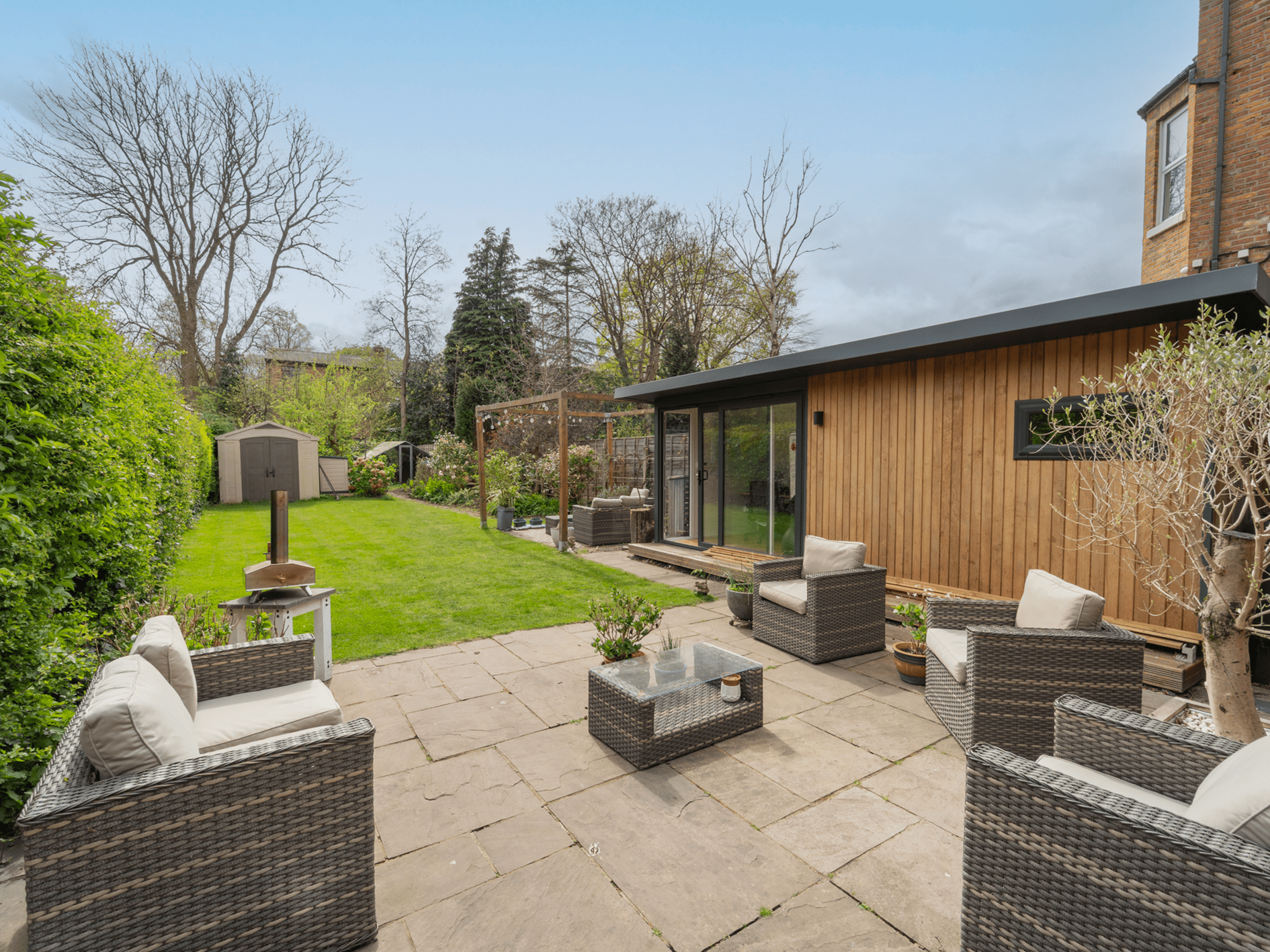
What fruits can I grow in patio pots?
It’s the time of year when we start to wonder how we can add something new or special to the garden. The trees are finally filled with leaves, blue skies mean warmth and we can see nature doing its thing all around us – so why not add to the joy by adding some fresh, pick it yourself, fruit to your garden?
You could of course go all out and plant up an entire bed or border of fruits; masses of raspberry canes, a couple of redcurrant bushes and even some blackberries, but if you’re not into jam-making, bottling and preserving, if you just want a daily handful of fruits to top your breakfast with, or send to school with the kids, there are options that require just a little space and a few, large, pots.
How to grow fruit in containers
There are a number of fruits – tree fruits and berries – you can grow in containers, in the UK, with just a little care and attention.
Blueberries
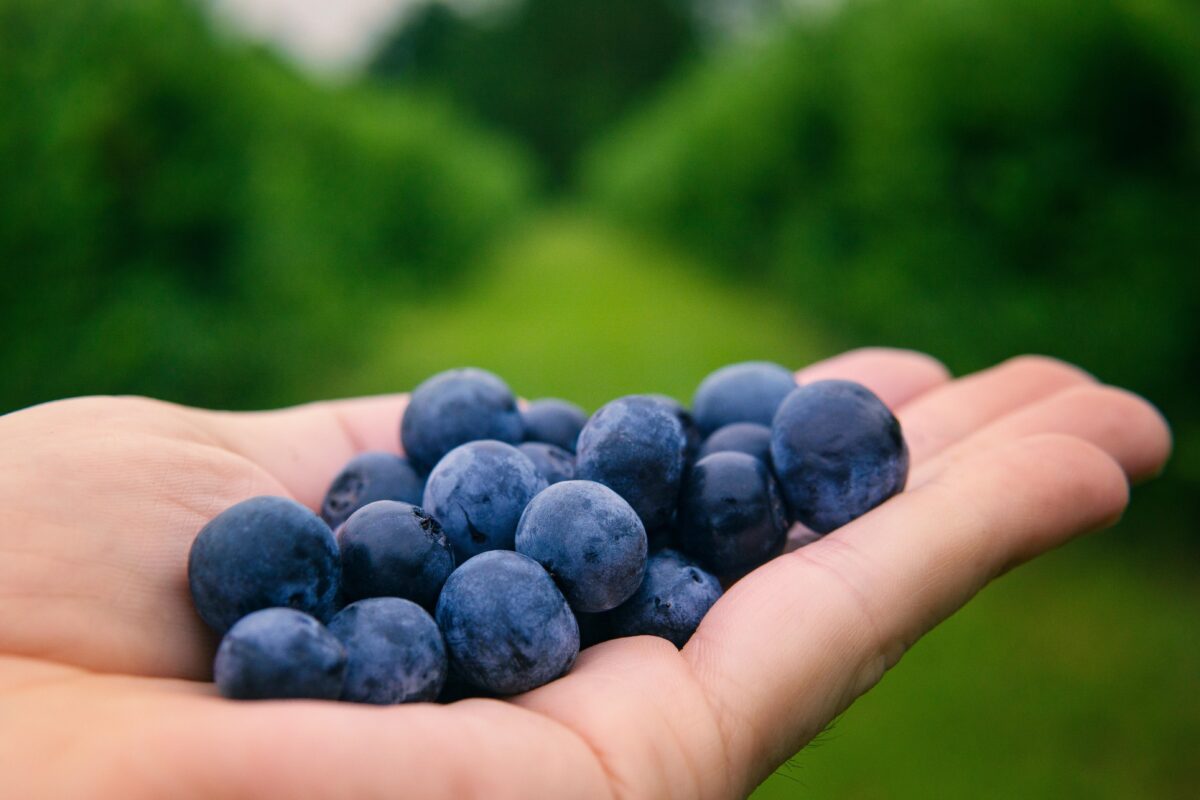
The RHS suggests the best blueberry cultivars to choose for your patio pots are Bluetta and Sunshine Blue. As some blueberry cultivars can grow up to two metres (6ft) tall, choosing a cultivar that stays compact is important.
Blueberries like an ericaceous, or acidic, soil – the sort enjoyed by rhododendrons and azaleas – so make sure you buy a large pot and bags of ericaceous potting compost, to boost growth and productivity. Your pot should be a minimum of 30cm (12”) for a young plant, or 50cm (20”) for an older, larger, plant. The pot will need a drainage hole, but you should balance some old, broken pot or a couple of flat stones across it (don’t seal it) to stop the soil just falling through.
Next, fill the pot halfway and place your new plant in the centre – you may need to add or take away soil to get the right height to just sit the blueberry on top and have the base of the stem about 6cm (3”) from the top of the pot. Once you have the level correct, unpot your blueberry, place it in the centre of the patio pot and fill in around it, pushing the soil down to make a firm support for the plant.
If you want, add some ericaceous bark to the top of the pot, just make sure it doesn’t touch the stems of the blueberry, or it can get damp and cause rot.
Finally – the all-important sunshine and water. All fruit needs sunshine to ripen, so position the pot in the place where it will get maximum sunshine. Fruit also needs water, so make sure the soil is kept moist, especially in very sunny weather. Add an ericaceous feed to your watering can every couple of weeks to give it a boost as soon as the fruit begin to show and ta dah, fresh blueberries for you, your kids – and the birds!
Raspberries
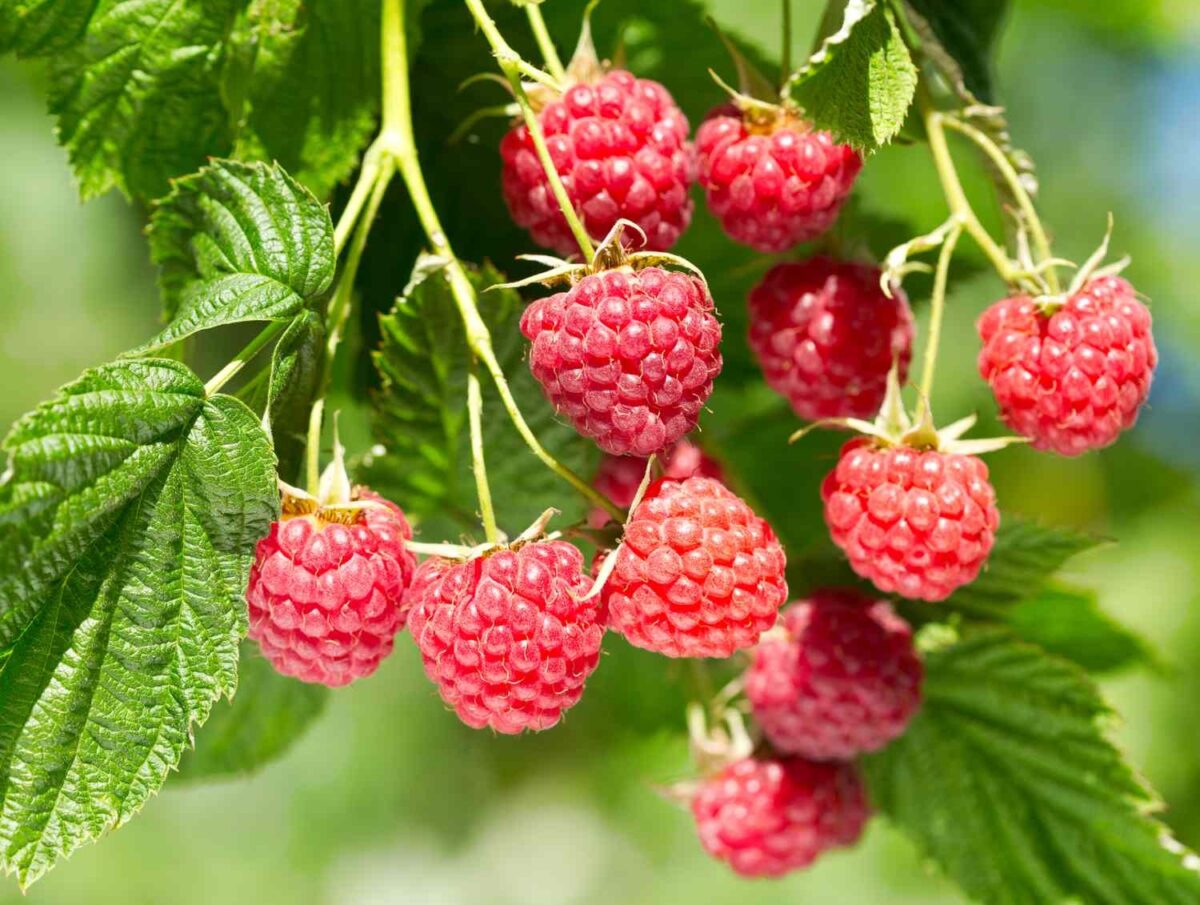
There are some dwarf varieties of raspberries that do very well in pots. Look out for Raspberry Bon Bonberry, Little Sweet Sister or Glen Ample, a summer-fruiting cultivar known for its large berries and generous crop. Glen Ample is also a spineless raspberry – perfect if you want to encourage your children to discover the joys of pick and eat, without tears.
As with the blueberry, you will need a large well-drained plant pot, 50cm (20”). You don’t need ericaceous soil, however, so don’t mix up your pots! Choose a well-draining compost, such as John Innes No.3, which is packed extra full with nutrients for plants that will remain in a pot for a long time.
Pot to the depth of where the canes meet the soil in their current pot. When you have secured the plant by pushing the soil down firmly, slide in a bamboo cane next to the main stem. They’ll need some support as they grow. Carefully tie it in, using wide loops of string, not tight up against the cane, as it can rub, but close enough to prevent too much sway.
In a larger pot you can plant two plants into one pot, one on each side. In this case, choose a summer fruit such as Glen Ample, and an autumn fruit such as Autumn Bliss, which will start fruiting in July and carry on through September.
When planted, water them thoroughly and every couple of weeks give them a feed with a high potash fertiliser, such as Tomorite.
Strawberries
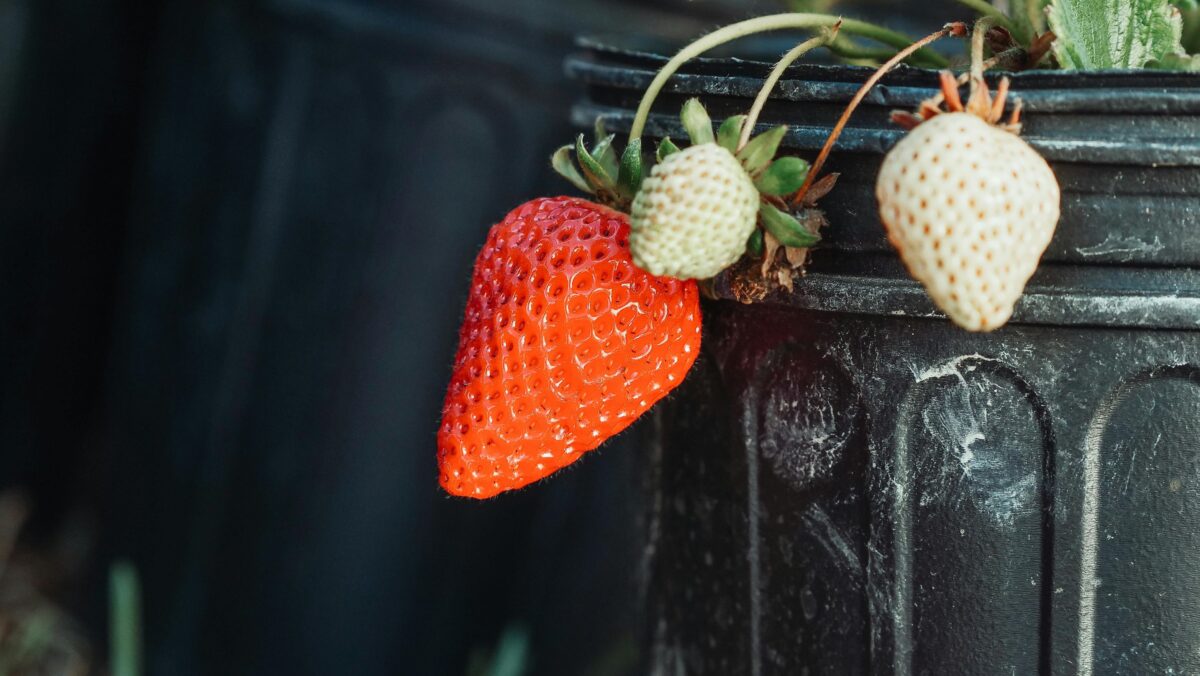
Strawberries are easy to grow in pots, in balcony containers and in grow bags, as long as you take care to keep them well watered. All berries need water, but water the soil, not the plants, as strawberries especially will soak up the water and this impacts the taste – which is why picking strawbs straight after rainfall isn’t ever the best plan.
There are loads of varieties to choose from that do well in pots, but the first decision to make is when you want your fruit. Strawberries come in three types: summer fruiting (and in this you can choose early, mid or late fruiting); perpetual strawberries, which as the name suggests fruit over a long period, but produce fewer berries and often smaller berries; and alpine strawberries, also known as wild strawberries. These are tiny plants that produce tiny, sweet, quite perfumed, fruits (best just for eating straight off the plant). They’re perfect for pots, but also make brilliant ground cover in the beds, if you get the sort that produce runners. They will spread quite happily through sunny and shade spots and make for a delicious treasure hunt for the children, or for you when weeding.
You can grow multiple plants in one pot, so consider a mix of early, mid and late fruiting, so you have fresh berries all summer.There are masses of options to choose from, and your local garden centre will have several, labelled up with when it’s expected to fruit. Or buy online, for a wider choice and more detailed information.
Don’t be tempted by those multi-layer strawberry pots. They’re a fiddle to plant up and much harder to care for, giving you fewer berries. Instead, simply choose a large, wide top container and fill it with peat-free multi-purpose or soil-based compost, and plant your strawberry plugs with the crown just level with the surface, spacing the plants 10–20cm (4–8in) apart. Position the container in a sunny spot and water regularly. You can feed each month with a high potash feed, as with the raspberries.
Eddie – Friday 9th May 2025.