

Why you should prepare your garden for summer right now..
Early spring is a turning point in the garden. The days start to stretch out, the light feels brighter, the sun has some actual warmth and everything feels full of potential. You might take one look at your still hibernating garden and thing, nope, not yet, but a little effort and patience now will pay off as we enter the summer months. From protecting your lawn to starting seeds indoors, here is how to set your garden up for a thriving summer ahead.
Your lawn: handle with care
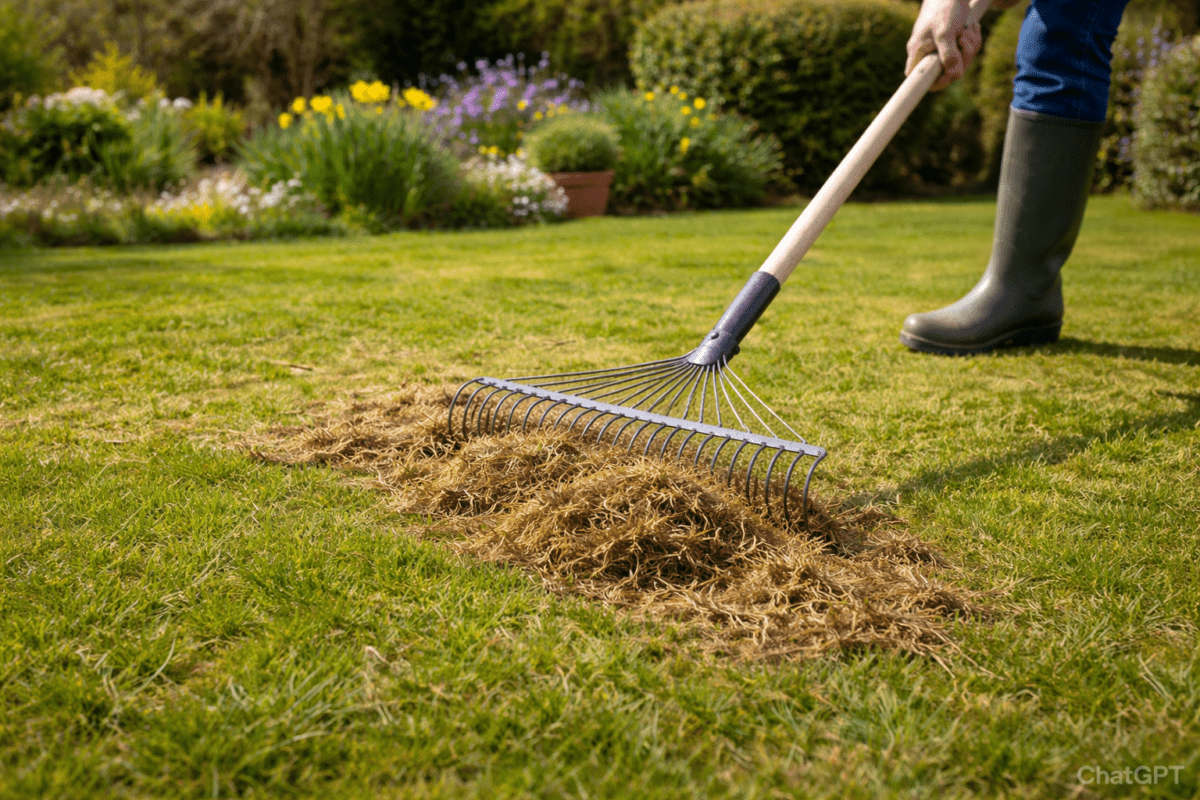
Your lawn may look hardy, but at this time of year it is surprisingly vulnerable. One of the most important rules is simple: stay off frozen or waterlogged grass. And with all the rain we have had lately, if it’s not waterlogged at least in places that’s pretty amazing. When the ground is saturated or icy, the soil structure is fragile. Walking across it compacts the surface, squeezing out the tiny air pockets roots need to breathe and grow. Compacted soil leads to poor drainage, patchy growth and more moss in the long run.
If you need to cross the lawn, try to use stepping stones or boards to spread your weight. Better still, give it a rest until the ground has had a chance to dry out properly.
On dry days, you can rake lightly to remove moss and thatch. Thatch is the layer of dead grass, roots and debris that builds up between the soil and the green blades. A gentle rake helps improve airflow and allows light and water to reach the base of the grass. Be careful not to be too aggressive, especially if the ground is still soft. The aim is to freshen the surface, not shred it. Starting now to gently lift away the thatch will give your lawn the best start when growth season starts, with strong roots producing healthy green blades.
To feed or not to feed. There’s a bit of debate around lawn feed – do lawns really need it? The RHS argues that most lawns will grow perfectly well without being dosed with fertiliser, and it should only be used when your lawn is already clearly struggling and after you have taken the first steps of removing thatch and piercing holes into the lawn to give the roots some air and space into which they can grow. If you do decide to give your lawn a boost, choose an organic fertiliser, it’s safer for wildlife (we really need those little insects that make their homes in our lawns!), pets and children.
Flowers and vegetables: get a head start indoors
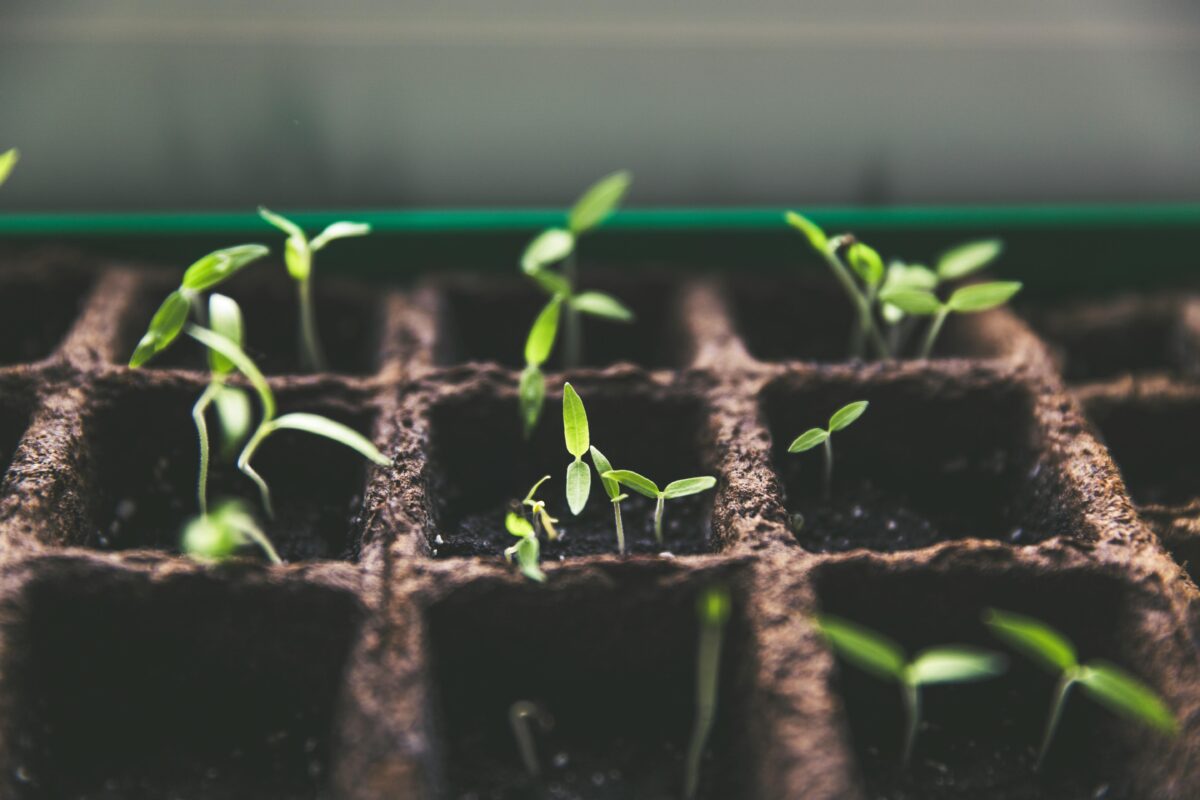
While your lawn is best left alone on cold days, this is the perfect time to start certain flowers and vegetables indoors.
Tomatoes, chillies and peppers all benefit from early sowing indoors. They need warmth and light to germinate well, so a bright windowsill or a heated propagator works beautifully. Use a good quality seed compost and keep the soil moist but not soggy. Once seedlings appear, make sure they have plenty of light to prevent them becoming long but weak, as they stretch out to find the light.
Sweet peas can also be started now. Sow them in deep pots or root trainers to accommodate their long roots. A cool greenhouse or bright porch is ideal. Pinch out the tips once they have a few sets of leaves to encourage bushier growth and more blooms later in the season.
Chit your potatoes
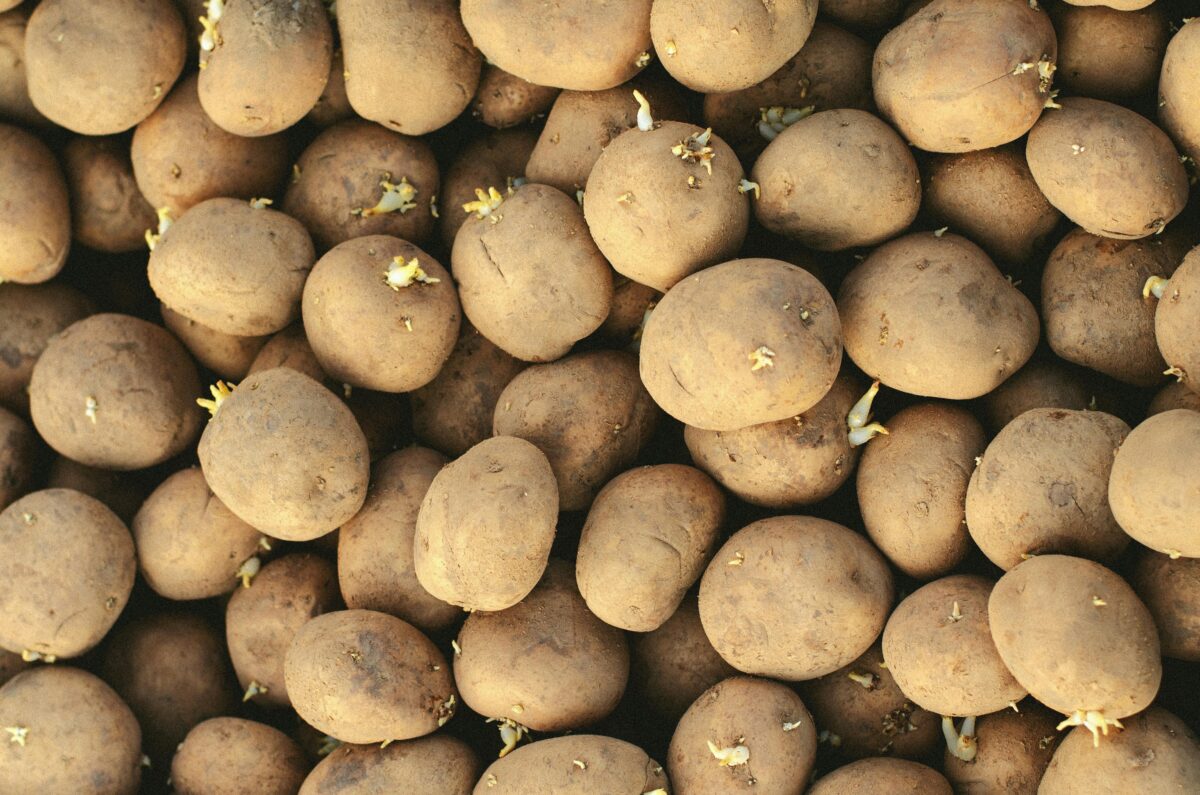
I love this word. It’s the most old-fashioned yet satisfying word in my gardening lexicon. And yes, I had to look it up. Chitting potatoes is the process of encouraging seed potatoes to sprout shoots before you plant them in your potato bags or garden. Simply place your seed potatoes in a tray or egg box with the eyes facing upwards and keep them somewhere light and frost free. Over a few weeks, sturdy green shoots will form. This process gives them a head start once planted out and can lead to an earlier and often heavier crop.
I use potato bags, and there is nothing more satisfying than those evenings when my daughter and I go outside to dig them out. It’s very easy, simply place a layer of soil several inches deep in the bottom of the bag, then place three to five potatoes (depending on how big the potato is expected to grow) – shoots up – on top, and cover with more soil until the shoots are lightly but completely covered. Every day, go out and check the bag and when the shoots are poking up about three inches above the surface, cover them over again. Do this until your potato shoots reach the top of the bag, then leave them to finish growing. Potatoes will grow the length of the stem, so you need it good and long. It takes 60 to 90 days to get your crop, usually when the leaves start to turn yellow and droop.
For those keen to get vegetables underway outdoors, sow hardy varieties under cover. Broad beans, onions and leeks can be started in a cold frame, unheated greenhouse or under cloches. These crops tolerate cooler conditions and will establish steadily while you wait for warmer weather to arrive.
Patient and steady wins the race
Gardening in early spring is all about balance. Protect vulnerable grass from compaction, tidy gently rather than drastically and resist the urge to feed too soon, if at all. At the same time, make the most of indoor space to start seeds that will carry your garden through summer.
A thoughtful, measured approach now lays the groundwork for lush lawns, productive vegetable beds and colourful borders in the months ahead.
Patience in early spring is not about doing less, there’s actually loads you can do, it’s about doing the right things at the right time.
Eddie – Friday 20th February 2026.