
Rewired wellness: AI fitness and tailored plans..
I’ve been seeing the term “rewired wellness” dropping into my inbox and social media recently, and wondered what it was all about, so decided to look into it and share what I have learned.
What is rewired wellness?
In basic terms, rewired wellness means more and more of us are tapping into AI-driven fitness and wellness tech and moving away from the one-size-fits-all training apps we settled into around the whole lockdown era.
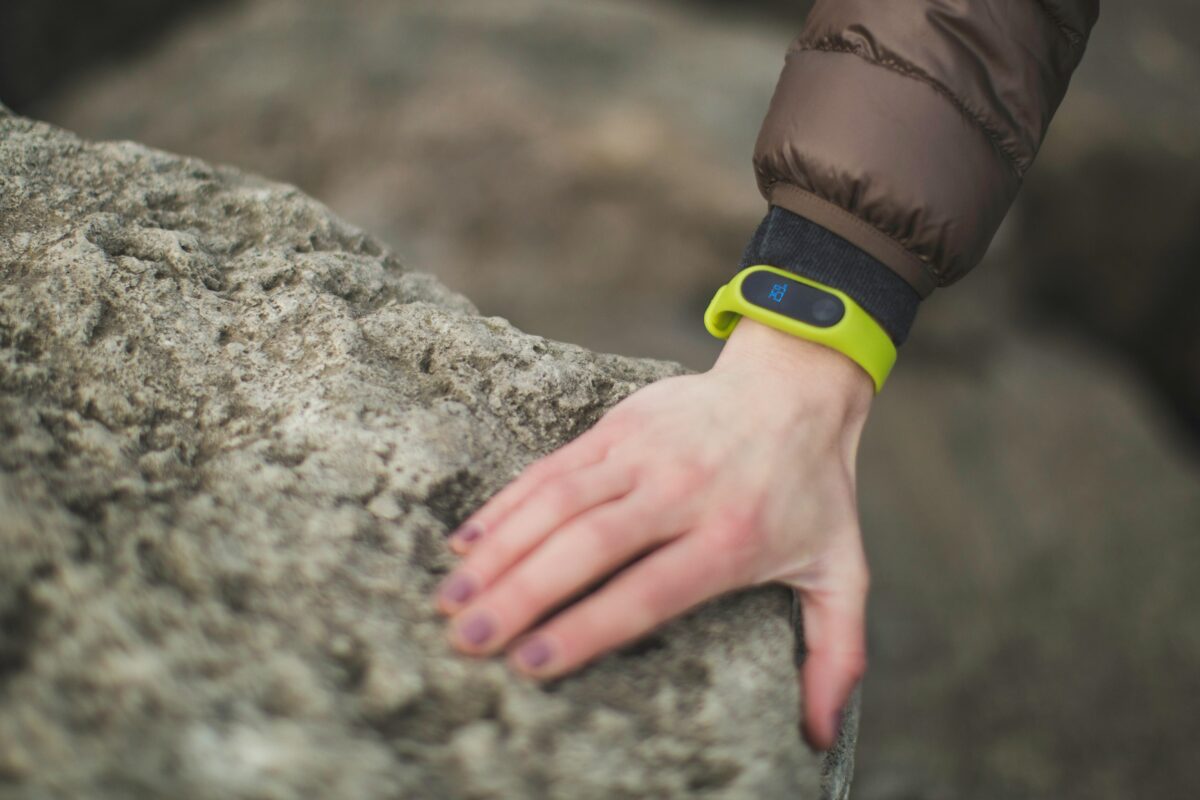
Rewired wellness is reshaping how we move, rest and train, putting AI‑supported fitness, tailored programmes and recovery‑aware scheduling at the centre of a more intelligent, data‑driven approach to health. This new wave of wellness is all about personalisation through smartphones, smartwatches, rings and apps such as Apple Fitness+, Garmin Connect, Oura and AI training platforms like Freeletics and Fitbod.
At its core, rewired wellness starts from the idea that one generic plan rarely works for long – a conclusion we have all probably come to ourselves at one time or another, as we find ourselves dropping away from the rigid timetables or insistence on numbers of reps, or zero allowance for illness, holidays, etc.
Instead of everyone following the same four‑week challenge, AI‑powered platforms analyse data such as heart‑rate trends, training history and even sleep to shape a plan around the individual. A running schedule in something like Nike Run Club or Garmin Coach might automatically adjust paces after a poor night’s sleep, or a strength programme in Fitbod will change sets and reps based on how your last session went. The decision‑making burden is taken off the user: you open the app and the session is ready, shaped to how you actually are that day, not how you “should” be on a static plan. Genius, huh?
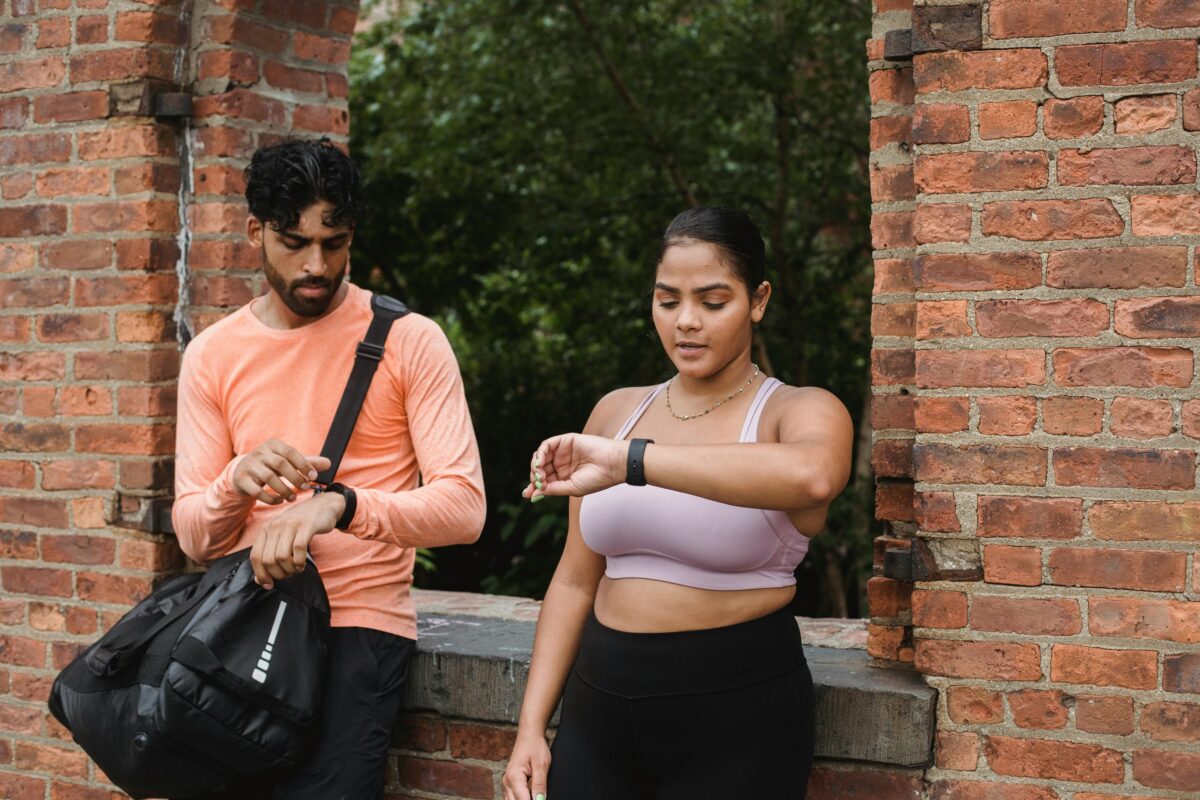
This level of responsiveness is also being used to improve how many of us actually stick to our promises to self and adhere to the plan. Many AI‑driven systems incorporate nudge theory (which presents all the choices open to you, but helps you prioritise the one that is best for you) micro‑goals (those baby steps we can take to lead us closer to our main goal) and streak‑style tracking (showing you how many days in a row you have achieved your fitness goal) to keep people engaged. Miss a few days and Apple Fitness+, Peloton or Freeletics actually recalibrate rather than expecting you to jump straight back in at full intensity. For those of us who enjoy structure but struggle with consistency (pretty much anybody with a job and a family), this blend of flexibility and guidance is not only helpful, but powerful.
Wearables sit at the heart of the trend. Smartwatches such as Apple Watch, Samsung Galaxy Watch, Fitbit and Garmin track heart rate, GPS, pace, intervals and sometimes training load, then feed that into training plans. Smart rings like Oura focus on 24/7 metrics including sleep stages, heart‑rate variability and temperature, which many coaching apps now use to decide whether today should be a push or recovery day. Instead of guessing whether it is a good day for intervals or an easier session, we can now be guided by readiness scores and recovery insights generated from this continuous data. So on a day when you’d normally be hitting the gym, but are feeling a bit under the weather, you can now call it a recovery day and reschedule without guilt!
Rewired wellness is also changing how progress is measured. Rather than fixating purely on aesthetics, more platforms highlight functional gains such as improved resting heart rate, stronger lifts or increased weekly volume handled safely. For many people, these metrics are more motivating and sustainable than chasing a particular look (we don’t all bulk up like Ryan Reynolds), especially when we can see tangible improvements in everyday energy and capability.
And to me, this is absolutely key. I don’t train to get a beach-ready body, I train to maintain my physical functionality as long as possible. I want to be perfectly capable of reaching for items on the top shelves in supermarkets, or squatting to the bottom shelves long into my retirement years (which are a LONG way off, I can tell you!). I want to be able to run for a bus or go on a hike without worrying about my heart-rate. Seeing it in writing, as it were, is immensely reassuring.
Another thing that makes rewired wellness so increasingly popular is how accessible it is. AI‑driven programming is making one‑to‑one‑style coaching more attainable for those who do not want or cannot afford a personal trainer. Short, guided workouts in Apple Fitness+, Peloton or Nike Training Club adapt around shift patterns, childcare or travel schedules, overcoming the ever-present barrier of work-family-social life schedules.
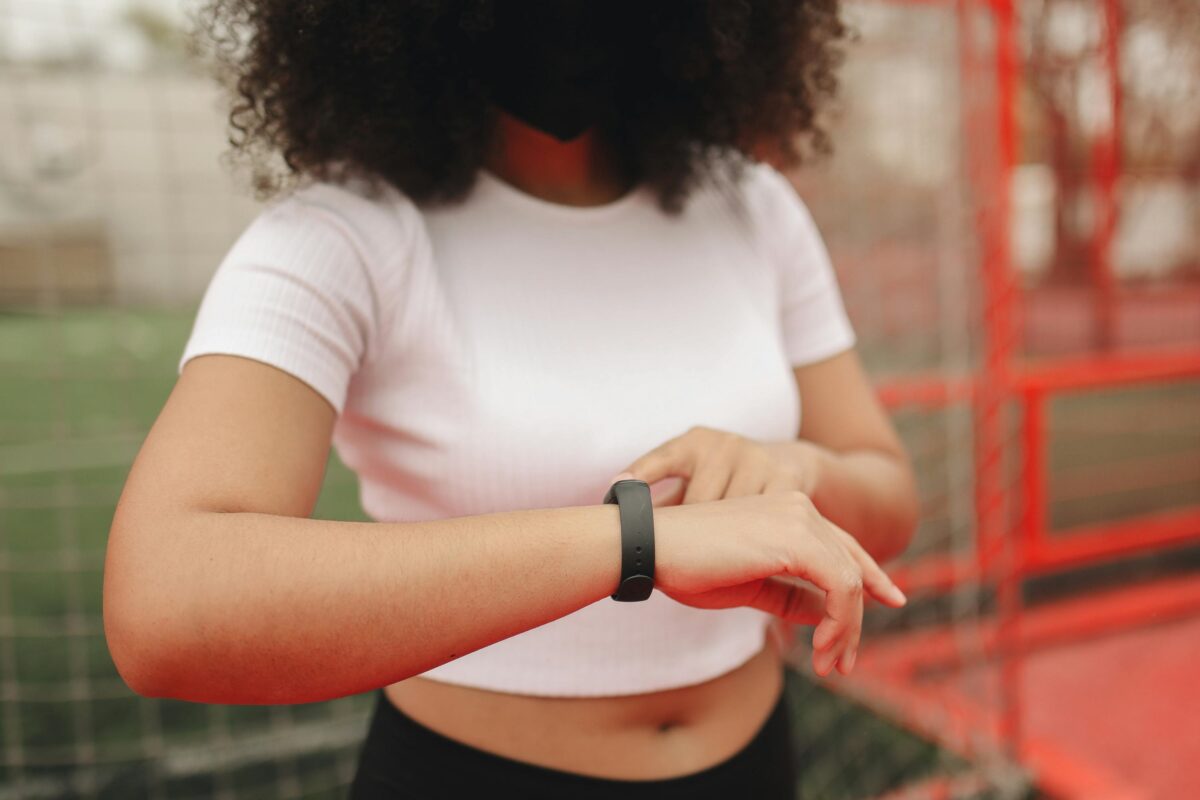
Rewired wellness uses ordinary devices, wearables and AI‑powered apps to remove guesswork, tailor training around real lives and provide course‑corrections to overcome any blips along the way. I’m in, are you?
Eddie – Friday 27th March 2026.