

How to create an easy-win wildlife-friendly garden..
Creating a wildlife-friendly garden does not need a big budget or a full redesign. In Manchester, with gardens often dealing with damp conditions, shaded corners and mixed soil types, small, practical changes can make a real difference.
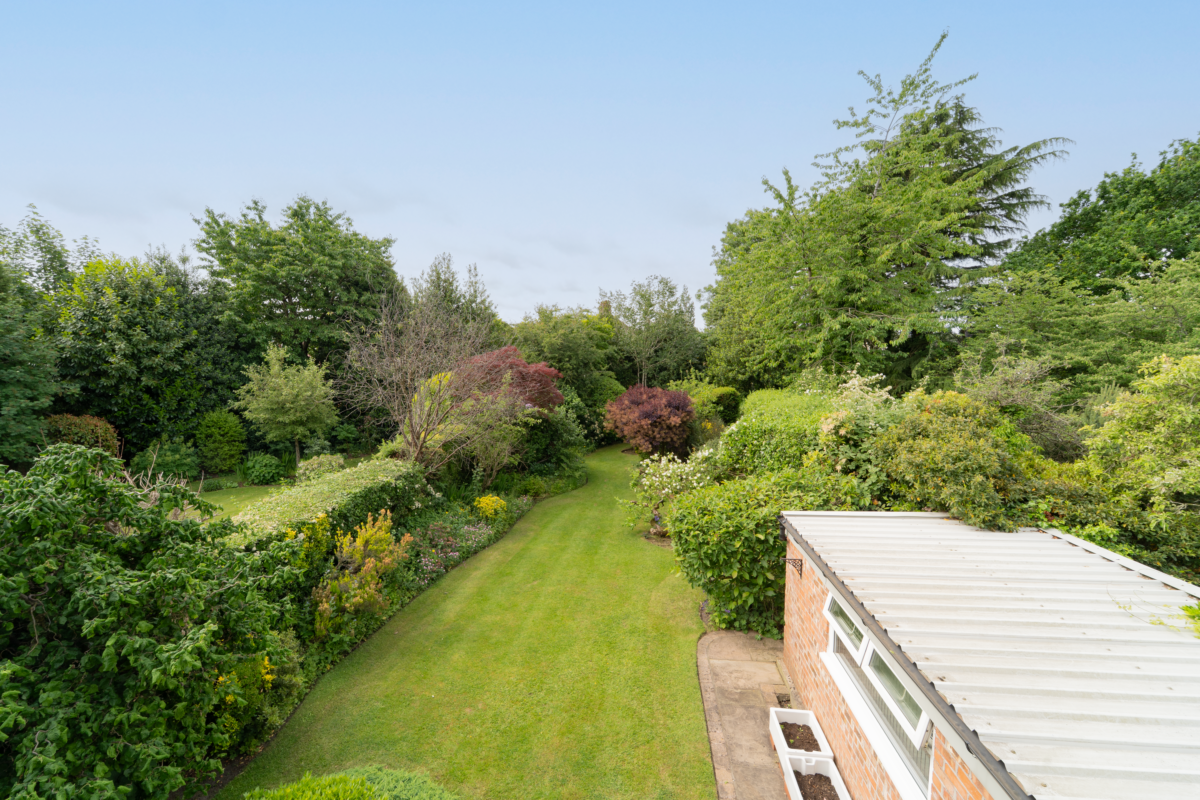
Wherever you are in Manchester you can support birds, pollinators and hedgehogs with a few simple tweaks.
Let your garden go a little wilder in the right places
You do not need to let everything become overgrown, but allowing a small patch of lawn or border to grow longer can instantly help local wildlife. Longer grass supports insects, which in turn feed birds and other animals. Even a narrow strip along a fence or hedge can become a mini habitat if left to grow naturally.
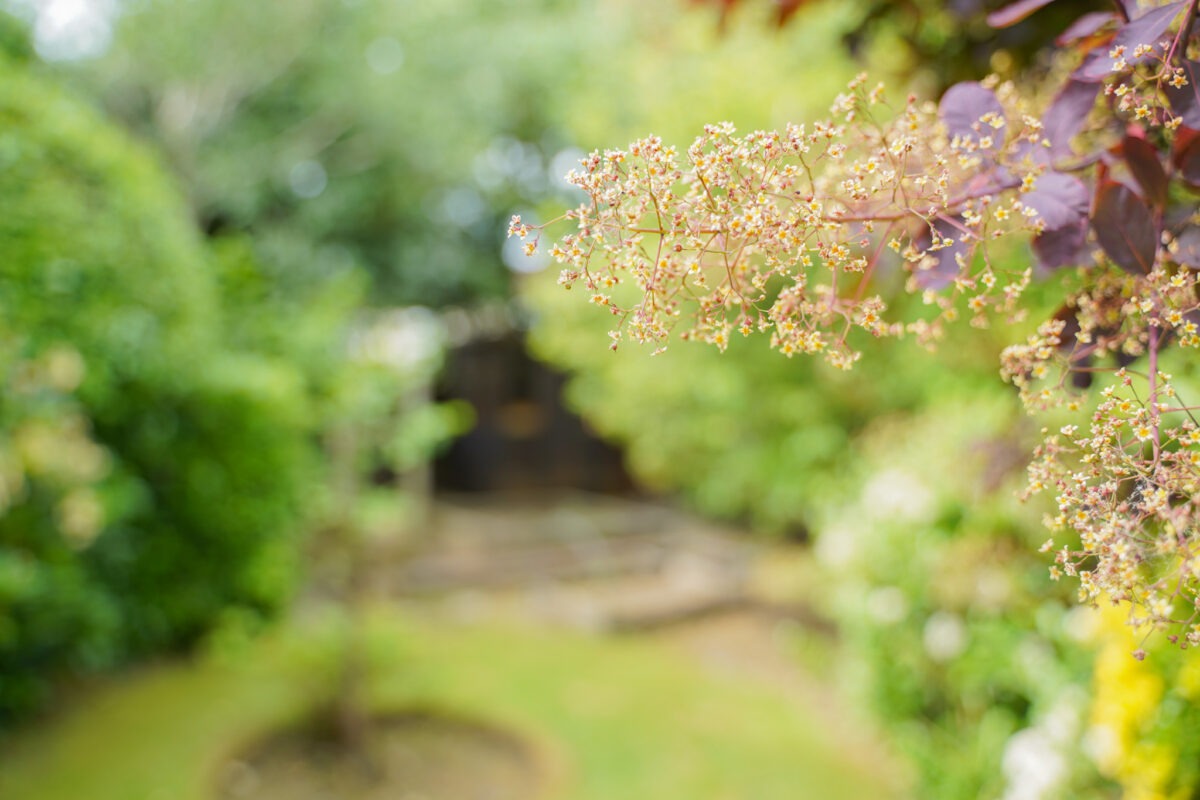
In our wetter climate, this kind of relaxed approach often thrives with very little effort.
Plant for pollinators with simple, reliable choices
Choose plants that are rich in nectar and suited to UK conditions. Lavender, foxgloves, echinacea, salvia and hardy geraniums are all excellent options and cope well with typical North West weather.
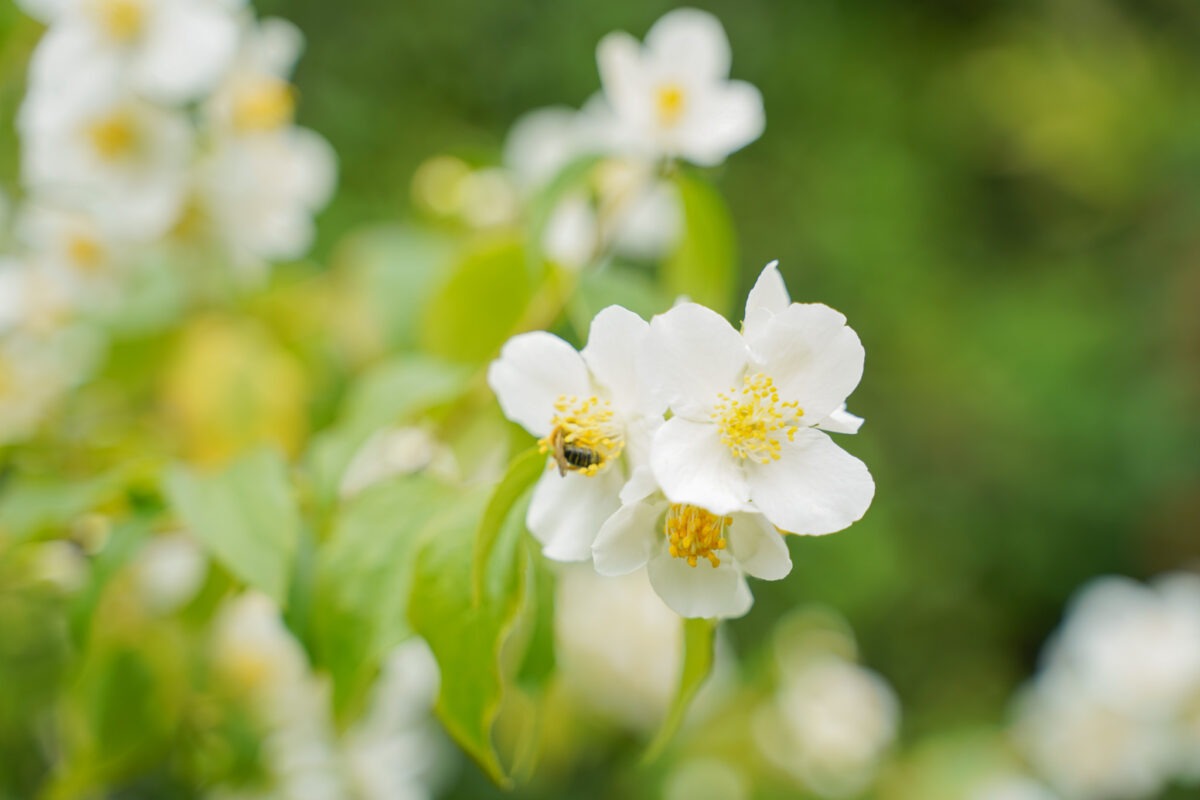
Try to include plants that flower at different times of year so there is always something available for bees and butterflies. Early spring bulbs such as crocus and snowdrops are especially valuable after winter. Later in spring, foxgloves draw bees and ox-eye daisies create pollinator-friendly and very pretty cover.
Add a water source, even a small one
Water is one of the biggest wildlife attractors you can add to a garden. You do not need a pond. A shallow dish, bird bath or even a plant saucer filled with fresh water can help birds and insects. Remember to empty and clean it regularly – leaf-filled, algae-covered dishes don’t look great and aren’t great for birds, either.
Create shelter and safe spaces
Wildlife needs places to hide, nest and rest. Dense shrubs, ivy on a fence, log piles or even a small corner left undisturbed can provide essential shelter.
If you are in a built-up area such as Greater Manchester or Merseyside, these sheltered spaces can be especially valuable for birds and hedgehogs navigating urban gardens.
Make hedgehog-friendly gaps in fences
Hedgehogs are declining in many parts of the UK, including the North West. One of the easiest ways to help them is to create small gaps in fencing so they can travel between gardens.
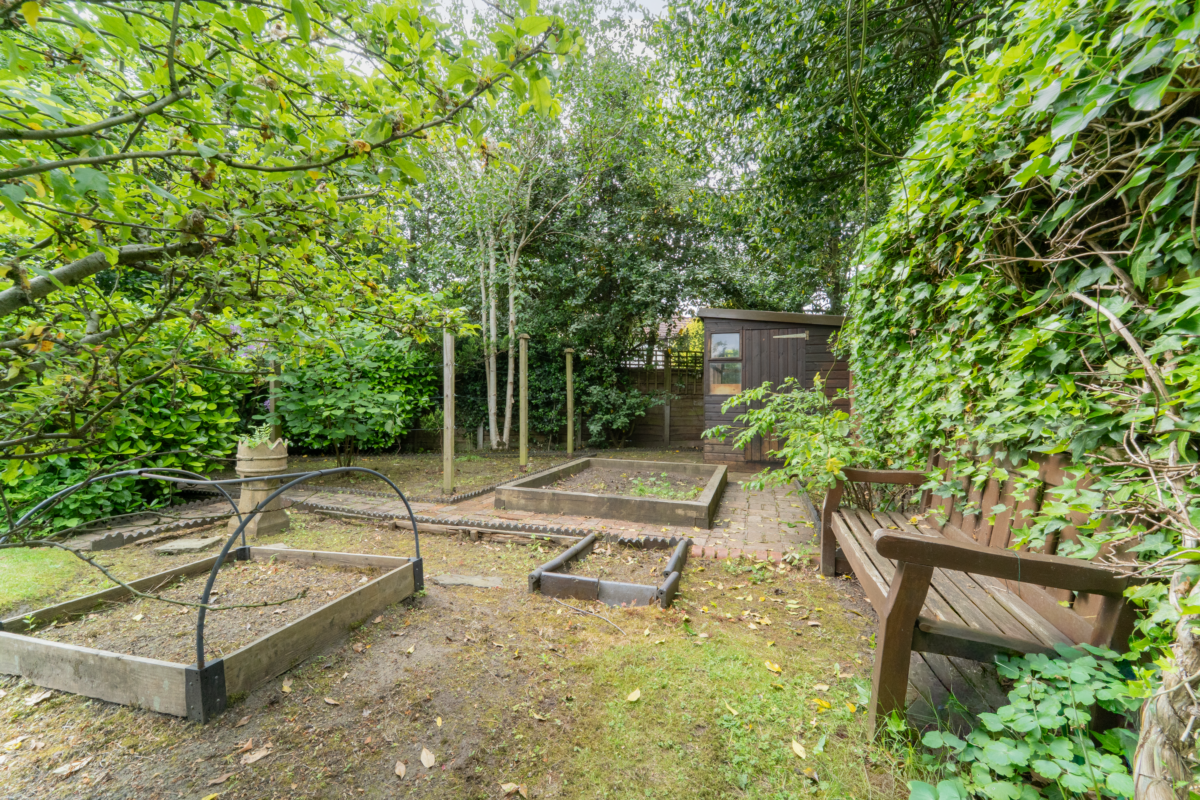
A gap of around 13 centimetres square is enough. This turns multiple small gardens into one connected habitat.
Also, adding a hedgehog house can be hugely beneficial to our favourite UK mammal – it provides a safe, sheltered space for hedgehogs to rest, nest and hibernate, particularly in our urban and suburban areas where natural habitats are limited. Placed in a quiet, shaded corner of the garden and left undisturbed, it can make your outdoor space part of a vital network of habitats that helps support local wildlife. You can find them at your local garden centre, or online at amazon.
Add a simple feeding station
Bird feeders are one of the quickest ways to attract wildlife. Black sunflower seeds, fat balls and mealworms are particularly effective. Position feeders near shrubs or cover so birds feel safe from predators.
You will often see a wide range of species across the North West, from blue tits and robins to sparrows and finches.
Avoid chemicals and let nature balance itself
Pesticides and weed killers can harm beneficial insects and disrupt the garden ecosystem. Instead, focus on natural balance. Birds will help control insects if you provide food and shelter, and many “weeds” actually support pollinators.
In Manchester’s mild, wet conditions, nature tends to recover quickly when given the chance.
FAQs
How do I make my garden wildlife friendly?
Use native and nectar rich plants, allow some grass to grow longer, add water, create shelter and avoid pesticides.
What is the easiest way to attract wildlife to a garden?
Add a bird feeder, provide fresh water, and plant pollinator friendly flowers such as lavender and foxgloves.
Do hedgehogs need special features in a garden?
Yes, hedgehogs benefit from gaps in fences for movement and hedgehog houses for shelter and hibernation.
What plants are best for wildlife gardens in the North West?
Lavender, foxgloves, salvia, hardy geraniums, crocus and snowdrops are all effective for pollinators.
Can small gardens support wildlife?
Yes, even small urban gardens can support birds, insects and hedgehogs with food, water and shelter.
Keep it simple and consistent
A wildlife friendly garden in Manchester can be created with simple, low cost changes such as allowing small areas of lawn to grow longer, planting nectar rich flowers like lavender, foxgloves and geraniums, and adding seasonal bulbs for year round pollinators. Providing water sources, natural shelter such as shrubs and log piles, and hedgehog access through gaps in fences helps support birds, bees and small mammals. Installing a hedgehog house and using bird feeders can further boost wildlife activity, while avoiding pesticides allows natural ecosystems to thrive even in small urban gardens.
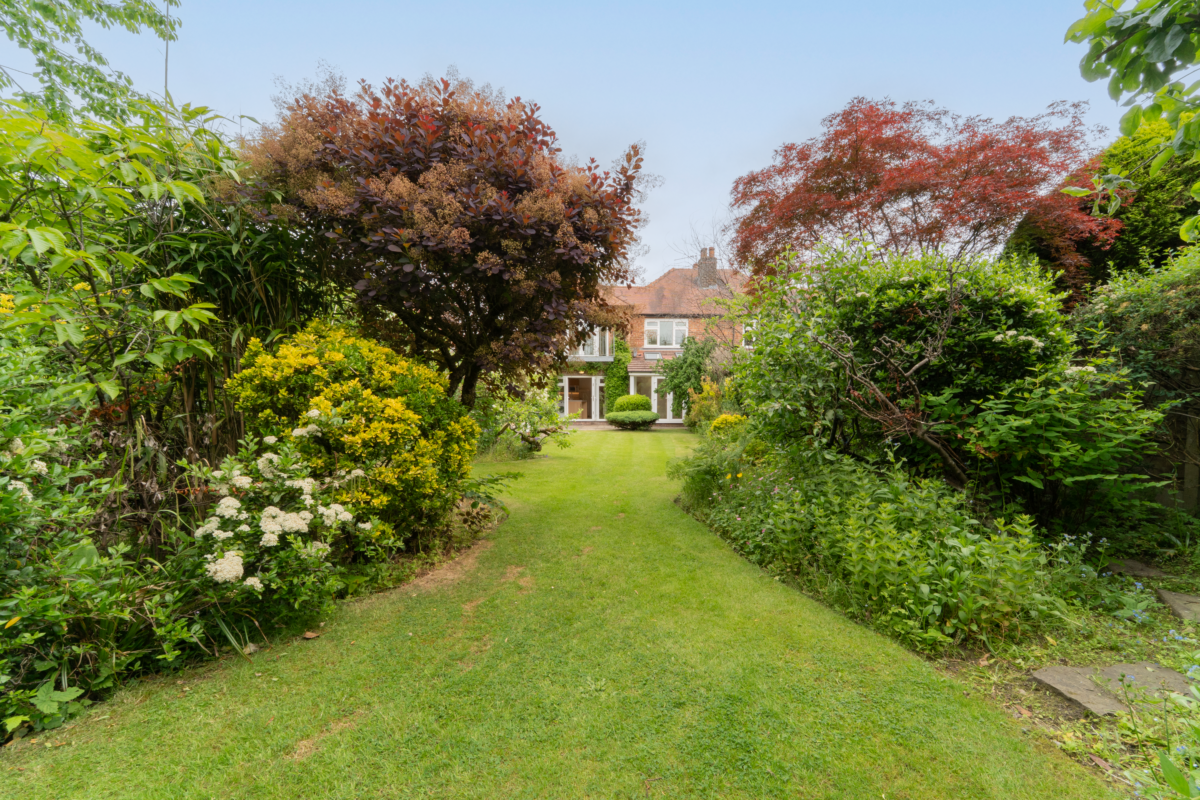
Eddie – Friday 26th June 2026. (Images used from Brayton Avenue in Didsbury Park).