
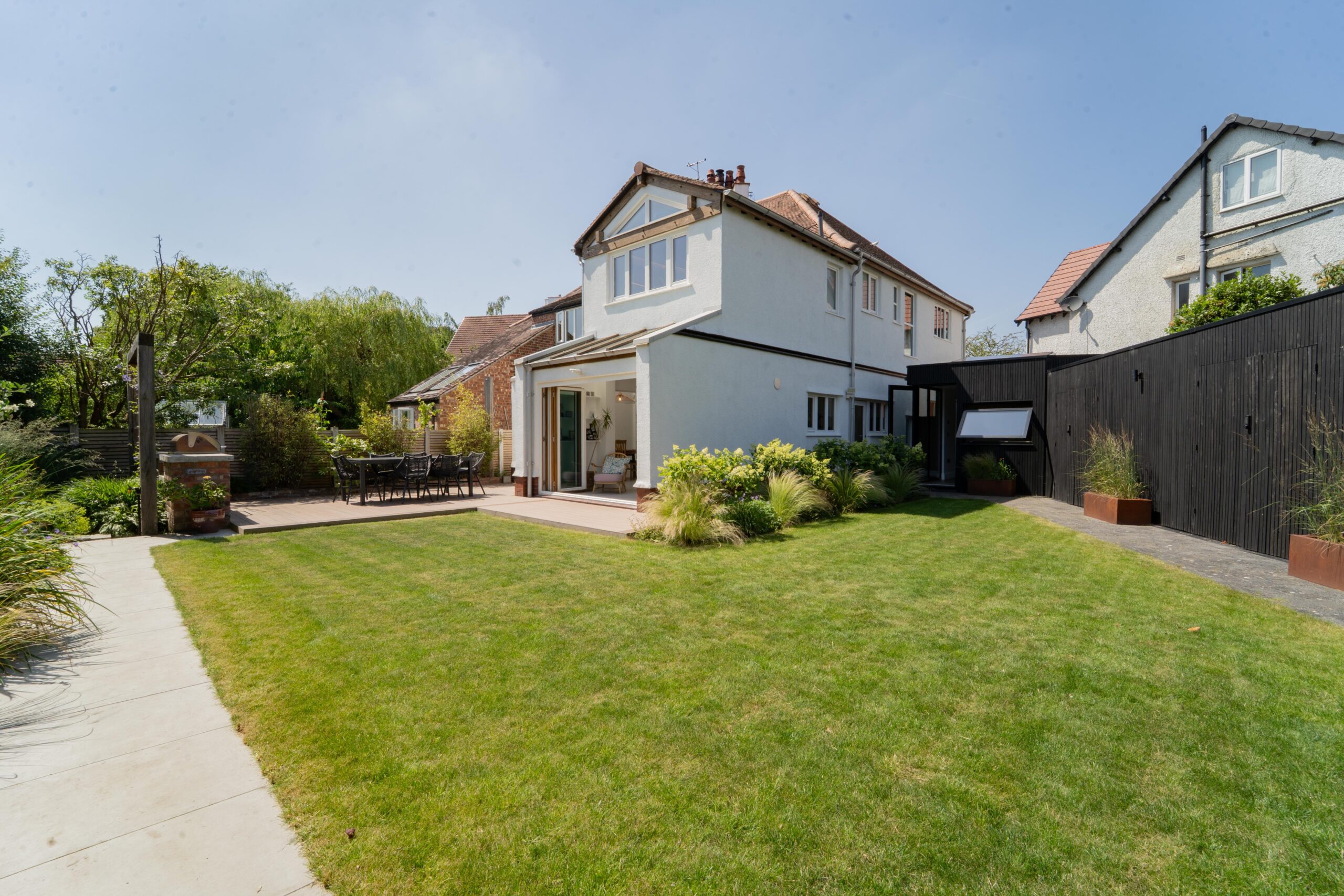
How to care for your lawn during a dry summer: why a brown lawn is usually nothing to worry about..
Has your lawn turned the colour of straw? Mine has too, and I have to admit I don’t love it. The good news is that a lawn turning brown during a hot, dry summer is usually perfectly natural. Rather than trying to keep every blade bright green, it’s far better to adapt your lawn care routine, conserve water and focus on keeping the roots healthy until conditions improve.
Can a brown lawn recover?
Yes. In the UK, most established lawns turn brown because the grass has gone dormant during prolonged dry weather, not because it has died. Grass naturally enters a dormant state during prolonged drought, slowing growth and turning straw coloured to conserve energy. In most cases the growing point remains alive beneath the surface – once cooler temperatures and rain return, healthy lawns usually regain their green colour within a few weeks.
What not to do during a dry summer
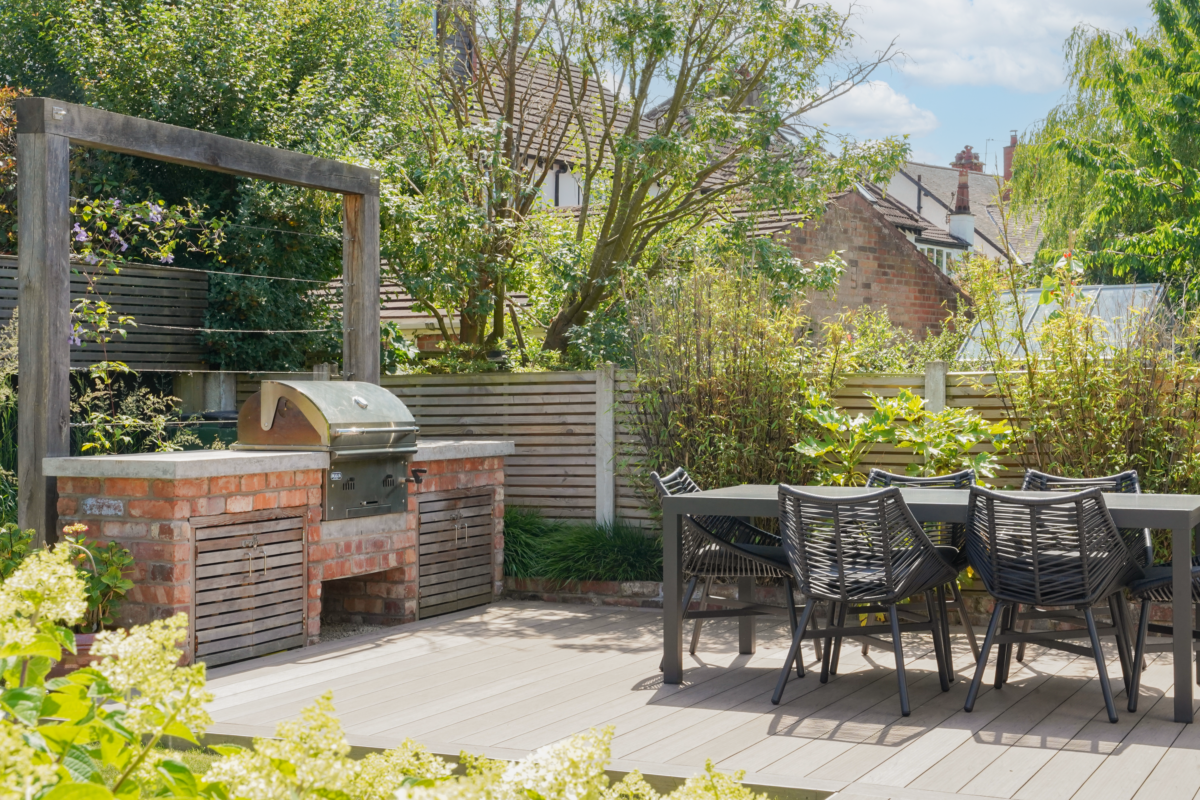
There are a few everyday habits that can make drought stress worse for lawns and are worth cutting out straight away.
Cutting the grass too short: Scalping the lawn exposes the soil, speeds up moisture loss and weakens the turf, so raise the mower blades and avoid taking off more than one third of the grass length in one go.
Mowing frequently in a heatwave: Excellent news for those who don’t love this task! When grass growth slows or stops in dry conditions, continue mowing but less often, and pause altogether if the lawn is dormant and crisp underfoot.
Daily light watering: A quick sprinkle encourages shallow roots that dry out fast; if you do water, aim for a deep soak once or twice a week instead.
Watering at the wrong time: Midday watering in strong sun wastes precious water through evaporation; early morning or late evening is far more effective.
Ignoring hosepipe bans: In a declared shortage you cannot use hosepipes or sprinklers on domestic lawns. You can use grey water (from your bath, shower or washing up) carrying it outside to refresh your garden, though you should focus on plants that need it, such as fruit and vegetables, and trust your lawn to survive.
Using weedkillers and fertiliser on drought-stressed turf: Chemical treatments can scorch thirsty grass; it is better to wait until the lawn is actively growing again once normal levels of rainfall have resumed.
Heavy wear on brown patches: Repeated foot traffic or play on dormant areas can damage the crowns of the plants and slow recovery once the rain returns. It may be better to take down those goal posts temporarily…
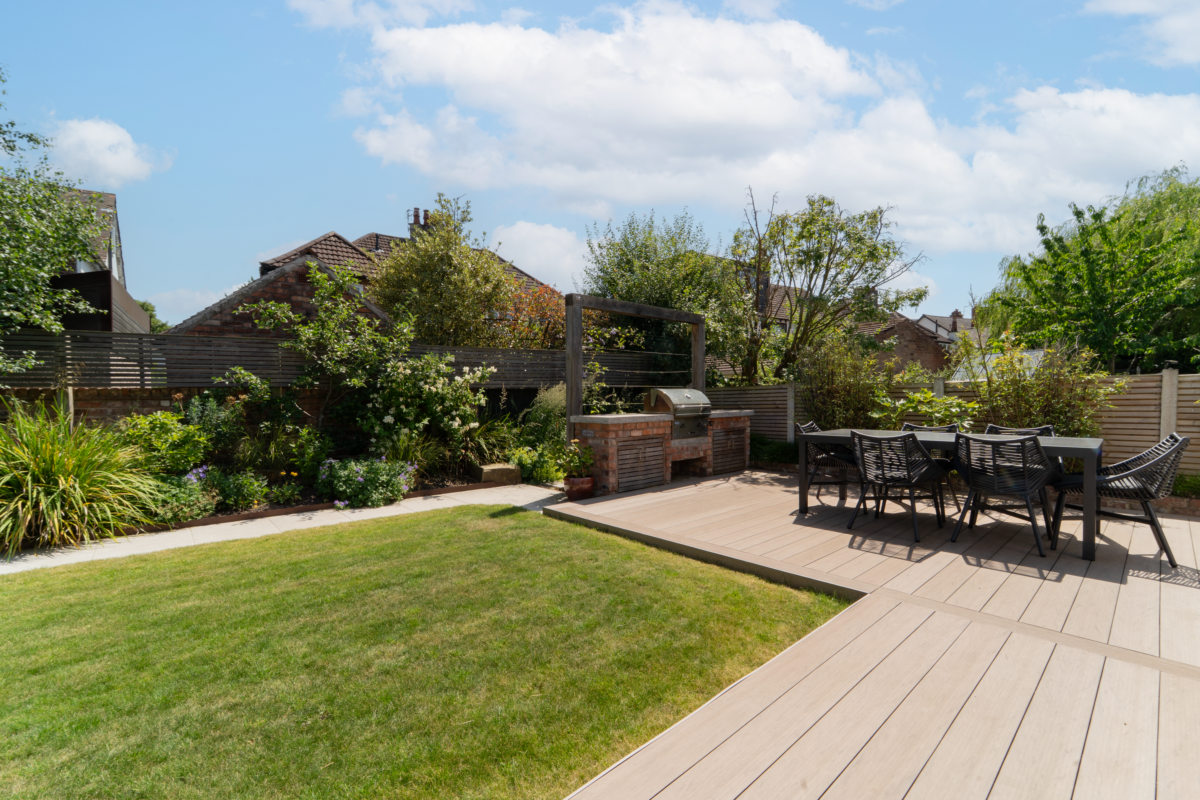
How to help your lawn survive drought
Instead of chasing uniform colour, you’re better off worrying about root health, soil structure and water‑wise habits.
Root resilience: Longer grass blades help shade the soil and encourage deeper rooting, which improves drought tolerance and makes the lawn more self-sufficient over time.
New lawns: Freshly seeded or newly turfed areas are vulnerable and do need regular watering in warm, dry or windy conditions until well established.
Soil compaction: Hard, baked ground sheds water rather than absorbing it; periodic aeration in spring or autumn will improve infiltration and support strong roots.
Water sources: Collecting rainwater in butts and reusing grey water from the home helps keep gardens going without over‑reliance on mains supply – again, choose carefully where you use it; lawns are capable of springing back to life even after weeks without rain, other plants may not.
Long term sustainability: Reducing the total area of close‑mown lawn, introducing clover or microclover and allowing some sections to grow longer all help the garden cope better in future droughts. This hot, dry summer is a reminder that just maybe the emerald-green striped lawns we Brits love are not the best approach to sustainable garden design.
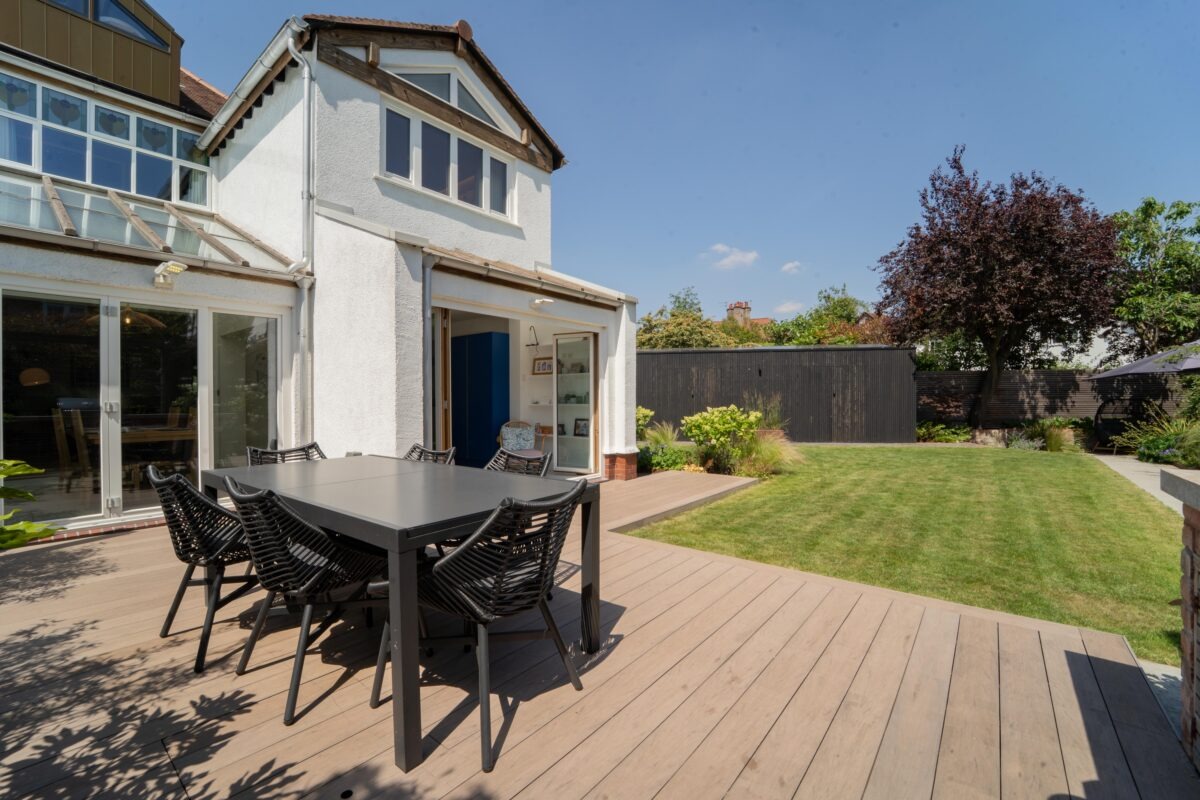
Why a brown lawn isn’t necessarily dead
A brown lawn in a British summer is usually a cosmetic problem, not a catastrophe. Established turf naturally turns straw-coloured in prolonged dry spells, but the plants often go dormant rather than dying, then green up quickly when temperatures drop and rain returns.
Give up on perfection: Think yourself lucky you’re not a groundsman at Augusta, tasked with presenting the perfect, trimmed to a millimetre, green greens, with all the world watching as Rory McIlroy putts for the win. A few brown patches and uneven colour are entirely normal in a British heatwave and can easily be repaired by overseeding once cooler, wetter weather returns.
Skipping a mow: Missing a cut or three during a heatwave will not ruin the lawn; in fact it can help protect the grass until growth restarts. And hey, who doesn’t have something better to do with their weekend?
Total irrigation: You do not have to keep the whole lawn lush and green through every dry spell; prioritising young turf, pots and borders is really a more responsible use of limited water.
Dry summer lawn care checklist
- Raise your mower height and avoid scalping.
- Mow less often and stop if growth has completely halted.
- Water deeply but infrequently when restrictions allow.
- Water early in the morning or late in the evening.
- Delay fertilisers and weedkillers until the lawn is growing strongly again.
- Avoid heavy foot traffic on dormant grass.
- Prioritise watering newly laid turf, young lawns and vulnerable plants.
- Accept that a brown lawn is usually temporary.
Frequently asked questions
Should I water my lawn every day in hot weather?
No. Water deeply but infrequently, as this encourages deeper roots that cope better with drought.
Will brown grass turn green again?
Usually, yes. Established lawns often recover within a few weeks of cooler weather and regular rainfall.
Should I mow my lawn during a heatwave?
Only if the grass is still growing. Keep the mower blades high and avoid cutting more than one third of the grass length.
Eddie – Friday 24th July 2026.