
The best plants for hot, dry summers and cold UK winters: how to create a climate-resilient garden..
I have several sad-looking patches in my garden where previously healthy, colourful plants have simply withered away. Weeks of hot weather and very little rain have proved too much for them. If they don’t recover when the rain eventually arrives, I’ll have to replace them, but with what?
I don’t want to spend money on plants that might struggle through another hot, dry summer. Like many gardeners across the UK, I’m beginning to wonder whether it’s time to rethink what we plant.
We are a nation of gardeners, most UK houses have a back garden – even if it’s a square of paving with room for pot plants and a deckchair, or just a balcony, we are a nation that loves to add some greenery to our lives. But with climate change, the British garden is changing.
While we can still expect plenty of rain in winter, spring and autumn, our summers are becoming hotter, drier and more unpredictable. Water restrictions are becoming more common, lawns turn brown for weeks at a time and plants that once thrived can suddenly struggle through prolonged heat.
Yet despite these warmer summers, our winters remain unpredictable. Temperatures can still fall well below freezing, bringing heavy rain, waterlogged soils, snow and sharp frosts that quickly kill plants that have not evolved to live this far north..
What are the best plants for hot, dry summers and cold UK winters?
As the UK experiences hotter, drier summers alongside freezing winter temperatures, gardeners need plants that tolerate both extremes. This guide explains how to create a climate-resilient garden using hardy, drought-tolerant perennials and shrubs, improve soil to retain moisture, reduce watering and choose plants that continue to support bees and wildlife throughout the seasons.
Why gardeners need to adapt
Gardeners across the North West are noticing longer dry spells during summer, followed by periods of intense rainfall. These extremes place stress on plants that prefer consistent moisture.
Fortunately, there are many hardy perennials that have evolved to cope with exactly these conditions. Once established, they develop deep root systems that search for water while remaining perfectly capable of surviving freezing temperatures.
By planting with resilience in mind, you’ll spend less time watering and less money replacing plants each year.
What makes a plant climate resilient?
Look for plants that have several of these characteristics:
- Deep root systems that access moisture below the soil surface
- Silvery, grey or hairy leaves that reduce water loss
- Small or narrow leaves that lose less moisture
- Thick, leathery or succulent foliage
- Excellent frost hardiness
- Tolerance of periods of both drought and winter wet
Avoid relying solely on plants labelled as drought tolerant if they are only hardy to Mediterranean conditions.
The best perennials for changing UK weather
Some of the most reliable performers include:
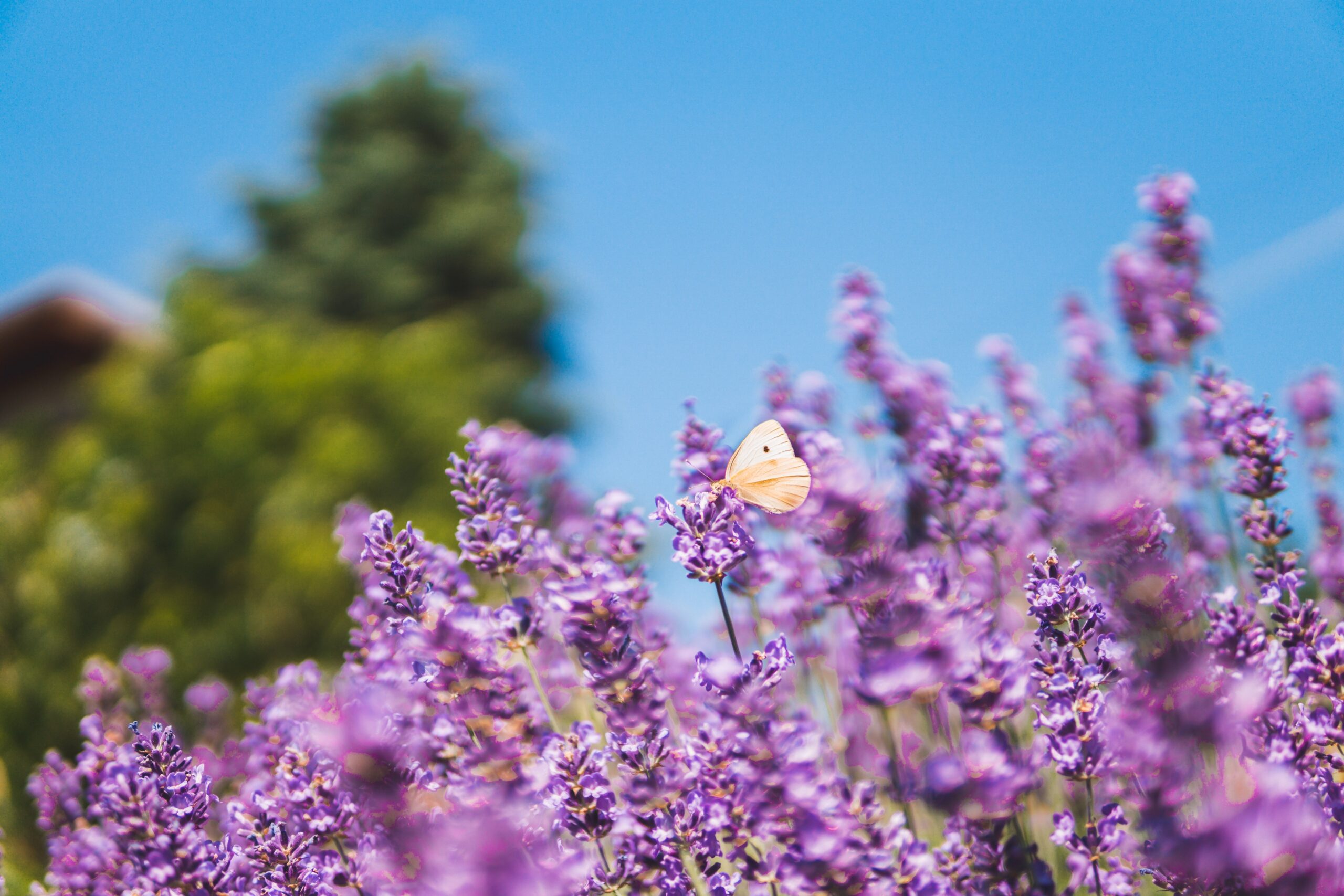
Lavender (Lavandula angustifolia)
English lavender loves sunshine and free-draining soil but is fully hardy throughout Britain. Its fragrant flowers attract bees throughout summer while its grey foliage copes exceptionally well with drought.
Salvia (Salvia nemorosa)
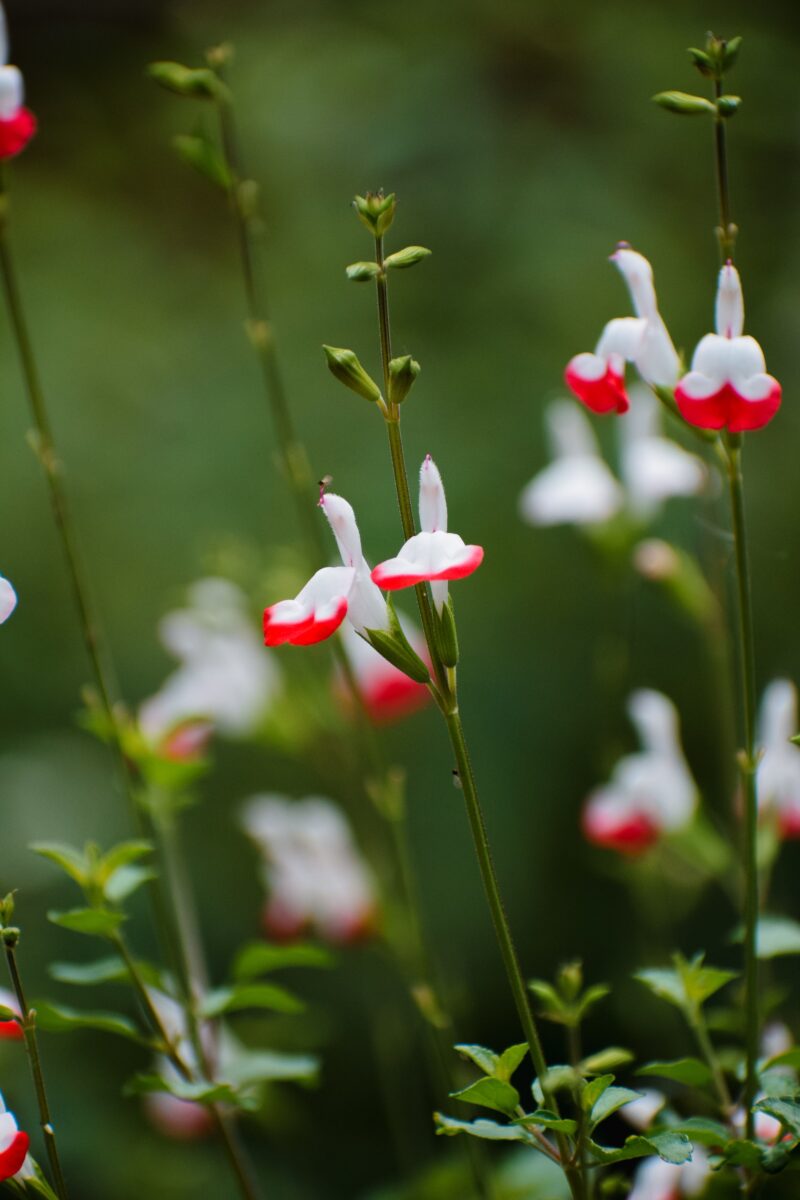
A long-flowering favourite that continues blooming through hot weather with very little watering. Cut it back after flowering for a second display.
Catmint (Nepeta)
One of the easiest cottage garden plants to grow. It flowers for months, attracts pollinators and tolerates dry soil once established.
Coneflower (Echinacea purpurea)
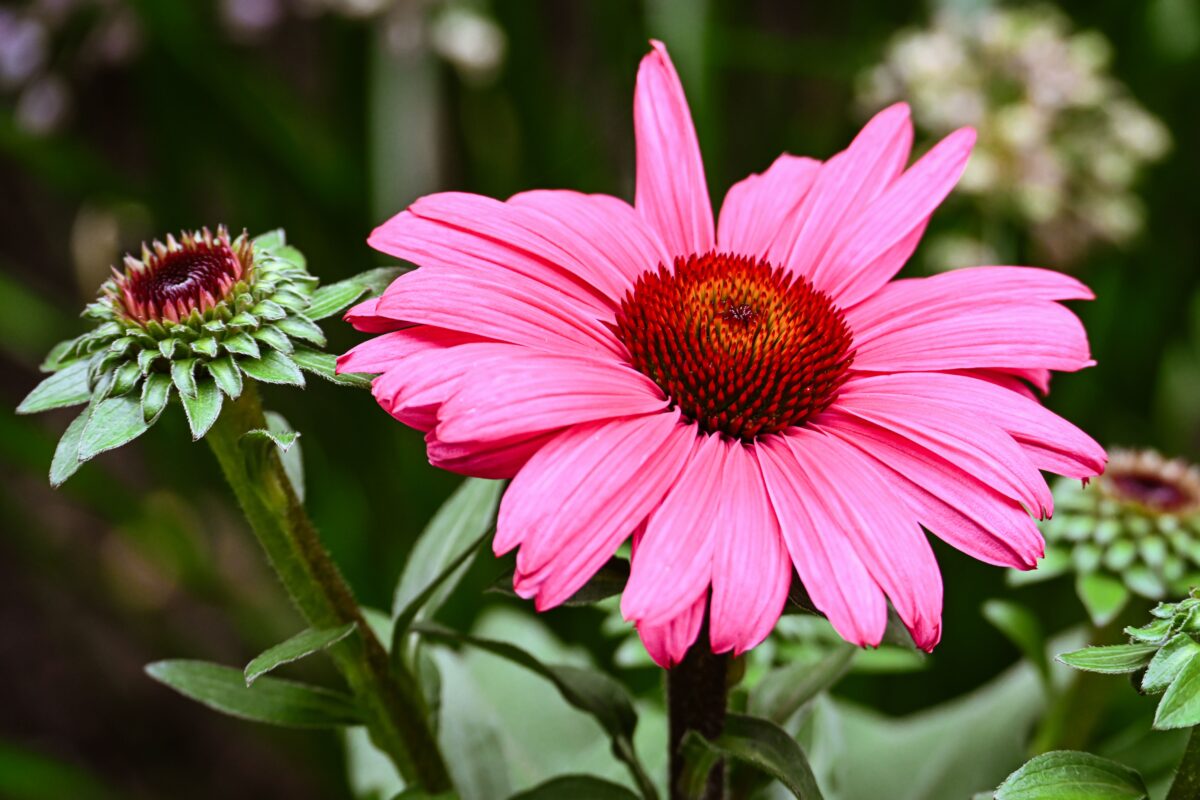
Native to the North American prairies, echinaceas naturally cope with periods of drought while surviving freezing winters with ease.
Lamb’s ear (Stachys byzantina)
Its soft silver leaves are designed to reflect sunlight and reduce water loss, making it one of the toughest foliage plants for sunny borders.
Yarrow (Achillea millefolium)
With deep roots and fern-like foliage, yarrow thrives in poor soils and hot conditions while producing flat flower heads loved by pollinating insects.
Shrubs that can handle both extremes
Several hardy shrubs also cope well with increasingly variable weather:
Cistus (rock rose)
Hardy ceanothus varieties
Spiraea
Physocarpus
Dogwoods (Cornus) for winter colour
Improve the soil, not just the plants
Healthy soil is your garden’s best insurance policy.
Adding compost every year improves soil structure, allowing sandy soils to retain moisture while helping heavy clay drain more effectively during winter. A generous mulch also reduces evaporation, suppresses weeds and gradually feeds the soil.
Rather than watering little and often, water deeply but less frequently. This encourages roots to grow downwards, making plants far more drought tolerant over time.
Think about where you plant
Climate resilience is also about positioning.
South-facing borders will always become hotter and drier than those facing north or east.
Plants that enjoy sunshine should be grouped together where they naturally receive the warmth they need, while moisture-loving species can occupy cooler, shadier areas.
Grouping plants with similar watering needs also makes maintenance much simpler.
Don’t forget wildlife
Many drought-tolerant perennials are among the very best plants for bees, butterflies and other pollinators.
Lavender, salvia, echinacea, yarrow and catmint provide nectar over a long flowering season, helping wildlife even during dry periods when other flowers have finished.
Leaving seedheads standing through autumn also provides food for birds and shelter for beneficial insects during winter.
Frequently asked questions
What plants survive hot, dry summers and freezing UK winters?
Lavender, salvia, catmint, echinacea, yarrow, lamb’s ear and many hardy shrubs cope well with both prolonged summer drought and cold winter conditions.
How do I make my garden more drought tolerant?
Improve your soil with compost, mulch borders to reduce evaporation, water deeply rather than frequently and choose plants with deep root systems.
Can Mediterranean plants survive UK winters?
Some can, but many struggle in prolonged frost or waterlogged soil. Choosing hardy drought-tolerant plants is usually a better long-term solution.
What is a climate-resilient garden?
A climate-resilient garden is designed to cope with changing weather conditions by using hardy plants, healthy soil and water-wise gardening techniques that reduce maintenance while supporting wildlife.
Eddie – Friday 31st July 2026.